
Mercury service helps keep your vehicle reliable, efficient, and safe through routine maintenance, professional inspections, and timely repairs. Although Mercury discontinued producing vehicles in 2011, many Mercury cars remain on the road, and owners still need dependable servicing to maintain their performance. Finding a workshop that understands the requirements of an older vehicle can make a significant difference in its long-term condition.
For Mercury owners in Dubai, regular maintenance is particularly important. High temperatures, dusty roads, heavy traffic, and frequent short journeys can put additional demands on the engine, cooling system, transmission, brakes, and air conditioning. As vehicles age, rubber hoses, seals, electrical connections, and other components may also deteriorate, making preventive inspections increasingly valuable.
At AutoStadt Motor Services, the focus is on identifying maintenance needs, diagnosing mechanical concerns, and recommending repairs based on the vehicle’s actual condition. Whether you drive a Mercury Grand Marquis, Milan, Mountaineer, Mariner, or another model, a structured maintenance approach can help you make informed decisions about keeping your vehicle on the road.
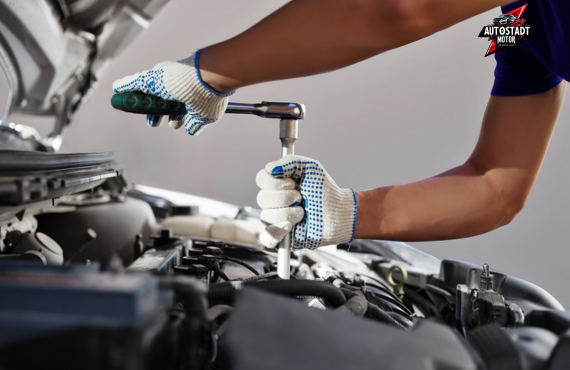
Because Mercury vehicles are no longer manufactured, servicing may also require careful attention to model-specific specifications and replacement-part availability. The right maintenance plan should therefore consider the vehicle’s model year, engine, mileage, service history, and current condition rather than applying the same checklist to every car.
Signs Your Car Needs Mercury Service
Recognizing early warning signs can help Mercury owners address developing problems before they become more expensive or inconvenient. While some symptoms indicate routine maintenance is overdue, others require prompt mechanical inspection.
1. Engine Noise or Reduced Performance
If your Mercury develops unusual engine noise, rough idling, hesitation, or reduced acceleration, it may need professional attention. These symptoms can be associated with worn ignition components, restricted air intake, fuel delivery problems, deteriorated engine mounts, or other mechanical faults.
For example, an older Mercury Grand Marquis may develop different maintenance needs from a Mercury Mountaineer because their engine configurations and vehicle designs differ. Therefore, the diagnostic process should reflect the particular model.
At AutoStadt Motor Services, engine-related concerns can be assessed before deciding whether the vehicle needs routine servicing, component replacement, or more detailed diagnostics.
2. Dark or Low Engine Oil
Engine oil lubricates moving components, helps manage heat, and carries contaminants toward the oil filter. Over time, oil deteriorates and needs replacement according to the manufacturer’s recommended schedule and the vehicle’s operating conditions.
A low oil level, visible leakage, or an oil-pressure warning should never be ignored. Although dark oil alone does not always indicate a problem, consistently low oil levels may point to leakage, consumption, or inadequate maintenance.
Regular oil and filter changes are particularly valuable for older vehicles that have accumulated substantial mileage.
3. Engine Temperature Rising Above Normal
The cooling system is essential for maintaining safe engine operating temperatures. If your Mercury’s temperature gauge rises unusually high, coolant levels repeatedly fall, or steam appears from the engine compartment, the vehicle should be inspected promptly.
Potential causes include coolant leaks, a faulty thermostat, radiator problems, a worn water pump, or cooling-fan issues.
Dubai’s hot weather makes cooling-system condition especially important. However, overheating should not automatically be attributed to outdoor temperatures; the underlying mechanical cause needs to be identified.
If the temperature rises into an unsafe range, stop somewhere safe and switch off the engine. Never open a hot radiator cap because pressurized coolant can cause serious burns.
4. Transmission Hesitation or Harsh Gear Changes
A Mercury with an automatic transmission should generally shift according to its design without unexpected slipping, harsh engagement, or significant hesitation.
If you notice delayed gear engagement, unusual transmission noise, fluid leakage, or a sudden change in shifting behaviour, arrange an inspection.
Transmission symptoms can result from several causes, including fluid-related problems, electrical faults, worn components, or internal mechanical damage. A professional assessment can help establish whether the issue requires maintenance or a more extensive repair.
5. Weak Air Conditioning
Reliable air conditioning is essential for comfortable driving in Dubai. If your Mercury takes too long to cool, blows warm air, produces unpleasant smells, or makes unusual noises when the AC is switched on, the system may need servicing.
Possible causes include refrigerant leakage, a restricted cabin filter, condenser problems, compressor faults, or electrical issues.
Simply adding refrigerant may not solve the problem if a leak or component failure is responsible. A proper AC inspection should identify the source of reduced cooling before recommending a repair.
6. Brake Noise, Vibration, or Longer Stopping Distances
Brakes are among the most important safety systems on any vehicle. Squealing, grinding, vibration during braking, or a brake pedal that feels different from normal can indicate a problem.
Depending on the symptoms, the vehicle may require brake-pad replacement, disc inspection, hydraulic-system checks, or other repairs.
If braking performance deteriorates significantly, avoid driving the vehicle until it has been inspected. Timely brake maintenance helps protect both the driver and other road users.
7. Warning Lights or Electrical Problems
Dashboard warning lights provide useful information about vehicle systems. Battery warnings, check-engine lights, ABS indicators, or other alerts should be investigated rather than ignored.
Older Mercury models may also experience battery deterioration, corroded terminals, faulty sensors, damaged wiring, or charging-system problems.
Diagnostic equipment, electrical testing, and a review of the vehicle’s symptoms can help narrow down the cause.
Why Choose AutoStadt Motor Services for Mercury Service
Selecting a workshop for an older Mercury involves more than finding a place to change the oil. Owners need a service provider that can assess the vehicle’s condition, explain potential repairs, and consider the practical challenges of maintaining a discontinued model.
Vehicle-Specific Maintenance
Different Mercury models have different service requirements. The Grand Marquis, for example, differs considerably from the Mountaineer in body design, drivetrain configuration, and intended use.
AutoStadt Motor Services can assess the vehicle’s model, mileage, symptoms, and available service history to help determine which maintenance items require attention.
Where model-specific specifications are needed, they should be verified before carrying out fluid changes, component replacement, or adjustment procedures.
Comprehensive Mechanical Inspection
Routine maintenance should not focus exclusively on the engine oil. A vehicle’s reliability also depends on its cooling system, brakes, suspension, transmission, tyres, battery, and electrical components.
A broader inspection can identify developing concerns and help owners prioritize necessary repairs.
This is especially useful when purchasing a used Mercury or bringing a vehicle back into regular use after a long period of limited driving.
Clear Repair Recommendations
Older vehicles sometimes develop multiple issues at once. However, not every issue needs to be addressed with the same urgency.
A professional inspection helps distinguish immediate safety concerns from preventive maintenance and repairs that can be planned according to the vehicle’s condition.
AutoStadt Motor Services aims to help customers understand the reported symptoms and the recommended work so that they can make informed decisions.
Attention to Replacement Parts
Because Mercury production ended in 2011, replacement-part availability varies by model, component, and market.
Some service items may be relatively straightforward to source, while certain model-specific components can require additional research. Compatibility should be confirmed before installation rather than relying solely on a similar appearance or a broad vehicle description.
This is important for older vehicles, where an incorrect component can lead to poor performance or repeat repairs.
Convenient Servicing for Dubai Drivers
Whether you use your vehicle regularly or keep it for occasional trips, a maintenance plan can help you manage its condition more effectively.
Dubai’s traffic, heat, and dusty environment make regular checks of the cooling system, air conditioning, tyres, brakes, and engine fluids worthwhile.
In addition to Mercury vehicles, workshops may service other makes, including Toyota, Nissan, BMW, and Mercedes-Benz. Nevertheless, each vehicle should receive maintenance appropriate to its individual design and manufacturer specifications.
How Our Mercury Service Process Works
A structured service process helps ensure that maintenance decisions are based on the vehicle’s actual requirements rather than assumptions.
Step 1: Discuss the Vehicle’s History
The process begins with basic information about your Mercury, including its model, year, mileage, previous repairs, and current symptoms.
If available, service records can help establish when the engine oil, transmission fluid, coolant, filters, and other maintenance items were last replaced.
This information helps identify overdue maintenance and possible recurring issues.
Step 2: Carry Out an Initial Inspection
The vehicle is assessed for visible leaks, unusual noises, tyre condition, fluid levels, brake concerns, and other obvious signs of wear.
The inspection can be adjusted according to the vehicle’s symptoms. For example, a car experiencing overheating needs particular attention to its cooling system, while a vehicle with rough idling may require engine diagnostics.
Step 3: Check Essential Service Items
Depending on the model and service requirements, maintenance may include engine oil and filter replacement, air-filter inspection, battery testing, brake checks, coolant assessment, and tyre inspection.
Transmission fluid and other lubricants should be checked and serviced according to the relevant specifications and maintenance schedule.
Not every item needs replacement at every visit. The decision should reflect the manufacturer’s guidance and the component’s actual condition.
Step 4: Diagnose Reported Problems
If the initial inspection identifies a fault, additional testing may be necessary.
This can include electronic diagnostics, charging-system checks, cooling-system pressure testing, leak inspection, or mechanical examination.
The purpose is to identify the likely source of the problem before recommending parts or extensive repairs.
Step 5: Explain the Recommended Repairs
Once the findings are available, the required work should be explained clearly.
For an older Mercury, this may involve separating urgent safety-related repairs from routine maintenance and longer-term recommendations.
Part availability, component compatibility, and the vehicle’s overall condition should also be considered when evaluating repair options.
Step 6: Complete the Agreed Maintenance
After the repair plan is approved, the necessary servicing and repairs can be performed using suitable parts, fluids, and procedures.
For discontinued models, checking the correct specifications is especially important because different model years may use different components or service requirements.
Step 7: Perform Final Checks
After servicing, the relevant systems should be checked to confirm that the completed work addresses the original concern.
Depending on the repair, this may include verifying fluid levels, checking for leaks, assessing engine operation, reviewing warning lights, or testing the vehicle’s performance.
A final review also helps identify any remaining concerns that may require future attention.
Frequently Asked Questions About Mercury Service in Dubai
1. Can I still get Mercury service in Dubai even though the brand is discontinued?
Yes, servicing an existing Mercury vehicle is still possible, although the availability of particular components and specialist support can vary. Routine maintenance, inspections, and many mechanical repairs remain feasible when suitable parts and correct specifications are available. When arranging service with AutoStadt Motor Services, provide the model, model year, engine details, and symptoms so the workshop can assess the vehicle’s requirements.
2. How often should I service my Mercury in Dubai?
The recommended interval depends on the model, engine, mileage, age, and driving conditions. Follow the relevant manufacturer’s maintenance schedule, while considering additional inspections if the vehicle experiences frequent stop-and-go traffic, dusty conditions, or repeated short journeys. If the service history is unknown, an initial inspection can help establish which maintenance items are overdue.
3. What does Mercury car servicing include?
Depending on the vehicle’s requirements, servicing may include engine oil and filter replacement, air-filter checks, battery testing, brake inspection, tyre checks, coolant assessment, and a review of visible leaks. Additional work may be required if the vehicle has warning lights, overheating, transmission symptoms, or air-conditioning problems. The exact service should be tailored to the model rather than assuming every Mercury needs the same work.
4. Are Mercury spare parts still available?
Some Mercury parts remain available through automotive suppliers, aftermarket manufacturers, used-parts dealers, or specialist sources. However, availability varies considerably. Common maintenance items may be easier to source than certain model-specific electronic or mechanical components. Before ordering a replacement, confirm compatibility using the vehicle’s exact model information and, where appropriate, its VIN.
5. Is it worth repairing an older Mercury, or should I replace it?
The answer depends on the vehicle’s overall condition, repair costs, mileage, parts availability, safety, and intended use. A Mercury with a sound body, a well-maintained engine, and manageable repair needs may remain practical to own. Conversely, extensive mechanical damage, recurring faults, or difficult-to-source components may make continued ownership less economical. A comprehensive inspection and a realistic estimate of the necessary repairs can help you make a more informed decision.
Conclusion
Mercury service remains important for owners who want to maintain the reliability, safety, and performance of their existing vehicles. Although the brand no longer produces new cars, many Mercury models can continue serving their owners when they receive appropriate maintenance and timely repairs.
In Dubai, regular inspections are particularly valuable because high temperatures, traffic congestion, and dusty conditions can put additional demands on essential vehicle systems. Paying attention to engine performance, cooling, transmission operation, brakes, tyres, and air conditioning can help identify developing problems before they become more serious.
AutoStadt Motor Services can help Mercury owners assess maintenance needs, investigate mechanical concerns, and identify suitable repair options based on their vehicle’s condition and specifications.
Whether you own a Mercury Grand Marquis, Milan, Mountaineer, or another model, the best starting point is a thorough inspection and a maintenance plan that reflects the vehicle’s age, mileage, and service history. Book an assessment with AutoStadt Motor Services to discuss your Mercury’s servicing requirements and keep your vehicle maintained with greater confidence.


Leave a Comment