
Mercury paint repair helps restore a vehicle’s exterior when scratches, paint chips, fading, peeling clear coat, or minor collision damage affect its appearance. A damaged paint finish can make a well-maintained vehicle look older than it really is. More importantly, exposed areas of metal may become vulnerable to corrosion if paint damage is left untreated.
For car owners in Dubai, maintaining the exterior finish requires particular attention. Strong sunlight, high temperatures, airborne dust, sand, and frequent exposure to outdoor parking can gradually affect automotive paint. Even small scratches caused by washing, road debris, or everyday parking can become more noticeable over time.
Whether your Mercury vehicle has light surface scratches, faded paint, damaged panels, or deeper marks, the correct repair depends on the condition of the paint and the extent of the damage. Professional car paint restoration involves more than applying a fresh coat of colour. It requires surface preparation, colour matching, suitable paint application, and careful finishing.
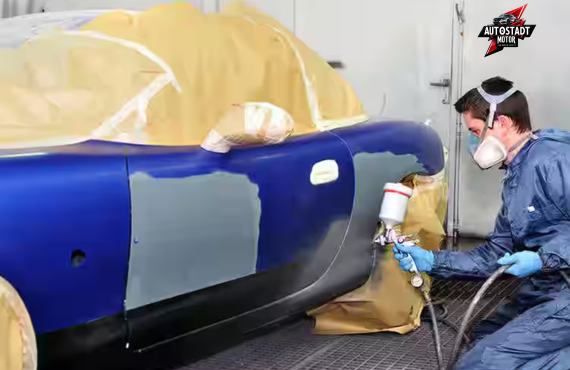
AutoStadt Motor Services provides automotive repair support for Dubai drivers looking to restore their vehicle’s exterior appearance. With an appropriate inspection and repair plan, paint damage can be assessed and the most suitable solution recommended, whether that means paint correction, a localised touch-up, or repainting an affected panel.
Signs Your Car Needs Mercury Paint Repair
Paint damage does not always require a complete repaint. Recognising the type of damage early can help you choose a suitable repair method and avoid unnecessary work.
1. Scratches Across the Paintwork
Scratches are among the most common reasons drivers seek Mercury paint repair. They may develop from careless parking, contact with bushes, road debris, improper washing techniques, or minor contact with another vehicle.
Light scratches may affect only the clear coat, the transparent protective layer above the colour coat. In these cases, professional polishing or paint correction may improve the appearance without repainting the panel.
Deeper scratches can expose the colour coat, primer, or underlying metal. These marks usually require more extensive treatment because polishing alone cannot replace missing paint.
2. Faded or Dull Exterior Paint
If your Mercury’s paint looks less vibrant than before, prolonged exposure to sunlight may be contributing to the problem. Ultraviolet radiation can gradually degrade automotive paint and its protective clear coat.
The damage may appear as uneven colour, reduced gloss, or a dull finish across the bonnet, roof, boot, and other exposed panels.
Professional paint correction may improve superficial defects, but paint that has significantly deteriorated may require refinishing. An inspection helps determine whether the original finish can be restored or whether repainting is more appropriate.
3. Peeling or Flaking Clear Coat
Clear-coat peeling is a more serious exterior problem than ordinary surface dirt or minor scratching. It may appear as cloudy patches, rough areas, or sections where the transparent finish separates from the underlying paint.
Once peeling begins, polishing generally cannot provide a lasting solution. The damaged area often needs proper preparation and refinishing to restore a consistent appearance.
Ignoring the problem can allow the affected area to deteriorate further, especially when the vehicle is regularly exposed to harsh outdoor conditions.
4. Paint Chips From Road Debris
Small stones and road debris can strike the front bumper, bonnet, side panels, and wheel arches while driving. These impacts may leave tiny chips that reveal the primer or bare metal underneath.
Although a single chip may seem insignificant, multiple marks can make the vehicle’s exterior look neglected. Chips that expose metal also deserve attention because moisture can eventually contribute to corrosion.
A suitable touch-up or localised paint repair can help protect affected areas and improve the overall finish.
5. Uneven Colour After an Earlier Repair
If one panel looks noticeably different from the rest of the vehicle, the paint may not have been matched or applied correctly during a previous repair.
Colour differences can become especially visible under direct sunlight. Variations in shade, metallic particles, gloss, or texture may make a repainted door or bumper stand out.
Professional colour matching and appropriate blending techniques can help achieve a more consistent appearance between repaired and original panels.
6. Scuffs and Minor Collision Damage
Parking manoeuvres and low-speed contact can leave scuff marks, scratches, or damaged paint around bumpers and doors.
Some marks may be transferred paint from another object rather than damage to the vehicle’s own finish. These marks can sometimes be removed through careful cleaning and polishing.
However, if the impact has damaged the paint layer or distorted the panel, more comprehensive bodywork and refinishing may be necessary.
Why Choose AutoStadt Motor Services for Mercury Paint Repair
Choosing a suitable workshop is important because the final result depends heavily on preparation, repair technique, paint compatibility, and finishing quality.
Accurate Assessment Before Painting
At AutoStadt Motor Services, the first step is to assess the affected area and determine the depth of the damage.
A superficial scratch may need paint correction, whereas peeling clear coat or exposed metal generally requires a different approach. Identifying the correct treatment helps avoid unnecessary repainting and reduces the risk of an unsatisfactory result.
Professional Automotive Paint Matching
Matching the original colour is one of the most important parts of vehicle paint restoration.
Automotive colours can vary according to the manufacturer, model year, paint code, finish type, and condition of the existing paint. Metallic and pearl finishes can be particularly challenging because their appearance changes with lighting and viewing angle.
A suitable paint-matching process helps the repaired area blend more naturally with the surrounding panels.
Repair Solutions for Different Types of Damage
Not every damaged panel requires the same treatment. Depending on the condition of the vehicle, the appropriate service may involve scratch removal, paint touch-ups, polishing, clear-coat restoration, or full-panel repainting.
For example, a Toyota with light wash marks may benefit from paint correction, while a BMW with deep scratches through the colour coat may require refinishing. The right solution depends on the damage rather than the vehicle’s brand alone.
Attention to Surface Preparation
A good paint finish starts before any new paint is applied.
The affected area must be cleaned, and damaged paint may need to be sanded or removed. Depending on the repair, the process can also involve masking, primer application, surface levelling, and other preparation work.
Skipping these steps can lead to poor paint adhesion, visible texture differences, or premature peeling.
A Practical Approach for Dubai Drivers
Dubai drivers often want their vehicles to maintain a clean, presentable appearance despite regular exposure to sunlight and dust.
AutoStadt Motor Services can help assess exterior paint damage and recommend an appropriate repair approach based on the affected panels and the owner’s requirements.
Whether you drive a Mercury, Nissan, Mercedes-Benz, or another vehicle, the goal is to achieve a suitable finish while avoiding unnecessary work.
How Our Mercury Paint Repair Process Works
A structured repair process helps ensure that the damaged area receives the correct treatment. The exact steps depend on the vehicle’s paint system and the severity of the damage.
Step 1: Inspect the Paint Damage
The process begins with an examination of the affected panel.
The technician checks whether the damage is limited to the clear coat or extends into the colour coat, primer, or metal. The inspection may also identify dents, previous repairs, corrosion, or other defects that could affect the final result.
This assessment helps establish whether polishing, touch-up work, or repainting is the most suitable option.
Step 2: Clean and Prepare the Surface
Before repair begins, dirt, dust, wax, and other contaminants must be removed from the affected area.
Proper cleaning is particularly important in Dubai, where fine dust and sand can accumulate on vehicle surfaces. If these particles remain during preparation, they can interfere with the repair and affect the final finish.
The technician then prepares the damaged area according to the selected repair method.
Step 3: Repair Scratches, Chips, or Surface Defects
The next step depends on the type of damage.
Light clear-coat scratches may be treated through controlled paint correction. Deeper scratches may require sanding, primer, colour-matched paint, and protective clear coat.
Where a panel has dents or more substantial damage, bodywork may need to be completed before refinishing begins. Applying paint over an uneven or poorly prepared surface will not produce a satisfactory result.
Step 4: Match the Original Paint Colour
The paint colour is selected according to the vehicle’s original finish and the repair requirements.
Paint codes can provide an important starting point, but the condition of the existing finish and variations between paint batches may also influence the result.
For metallic or pearl colours, application technique is especially important because differences in paint orientation and coverage can affect how the finished panel appears in different lighting.
Step 5: Apply Paint and Protective Finish
Once the surface has been prepared, the appropriate paint system is applied.
Depending on the repair, this may include primer, colour coat, and clear coat. Each layer must be applied according to the requirements of the materials being used.
Correct application and curing help produce a more consistent finish and support the durability of the repair.
Step 6: Finish and Inspect the Repaired Area
After the paint has cured as required, the repaired area is inspected for colour consistency, gloss, surface texture, and visible defects.
Where appropriate, final polishing or finishing work can improve the appearance of the repaired panel.
The inspection also helps identify issues such as uneven coverage, paint runs, or noticeable differences between adjacent panels.
Step 7: Follow the Recommended Aftercare
Freshly repaired paint may require specific care while it cures fully.
The workshop’s aftercare instructions should be followed, including guidance on washing, polishing, waxing, and exposure to harsh cleaning products. Avoiding aggressive washing techniques can also help preserve the repaired finish.
Mercury Paint Repair and Long-Term Paint Protection in Dubai
Repairing existing damage is only one part of maintaining your vehicle’s appearance. Preventive care can help reduce the likelihood of additional scratches, fading, and surface deterioration.
First, use appropriate car-washing products and clean microfiber materials. Dry dust and sand can act as abrasives when rubbed against the paint, so rinsing the vehicle before wiping it is an important precaution.
Second, consider covered parking whenever practical. Although parking indoors cannot eliminate all paint deterioration, it can reduce direct exposure to sunlight and environmental contaminants.
Third, avoid using abrasive compounds without understanding the condition of the clear coat. Repeated or aggressive polishing can remove protective paint material and make the finish more vulnerable.
Finally, inspect chips and deeper scratches rather than leaving them untreated indefinitely. Early attention may allow a smaller repair instead of more extensive refinishing later.
For drivers who want additional protection after Mercury paint repair, suitable options may include paint sealants, waxes, or professionally applied paint protection film. These products serve different purposes, so the appropriate choice depends on the vehicle’s condition, usage, and budget.
Frequently Asked Questions About Mercury Paint Repair in Dubai
1. How much does Mercury paint repair cost in Dubai?
The cost depends on the extent of the damage, the affected panel, the paint colour, and the repair technique required. Light scratches may be corrected through polishing, while deeper damage may require sanding, primer, repainting, and clear-coat application. Multiple panels or complicated metallic finishes can increase the work involved. AutoStadt Motor Services can assess the damage and recommend a suitable repair before the work begins.
2. Can scratches be removed without repainting my Mercury?
Yes, some scratches can be improved without repainting. If a mark affects only the clear coat, professional polishing or paint correction may reduce or remove its appearance. However, scratches that reach the colour coat, primer, or bare metal usually need additional treatment. The depth of the scratch should be assessed before selecting a repair method because polishing cannot replace paint that has already been removed.
3. How long does Mercury paint repair take?
The timeframe varies according to the repair. A minor paint correction may take considerably less time than repairing a deep scratch or repainting an entire panel. Preparation, colour matching, drying, curing, and final inspection all affect the schedule. If bodywork is required before painting, additional time may be necessary. It is best to obtain an estimated completion time after the workshop has inspected the vehicle.
4. Will the repaired paint match the original colour?
A good colour-matching process aims to make the repaired area blend naturally with the existing finish. The result depends on the original paint code, paint condition, colour complexity, application technique, and whether blending into adjacent panels is necessary. Metallic and pearl finishes can be particularly challenging. Although professional techniques can improve consistency, an exact visual match cannot always be guaranteed, especially on older vehicles with faded original paint.
5. How can I protect my Mercury’s paint after repair in Dubai?
Wash the vehicle with suitable automotive products, rinse away dust before wiping the surface, and use clean microfiber materials to reduce scratching. Whenever possible, park in covered areas to limit direct sunlight exposure. Follow the workshop’s instructions regarding when to wash or wax freshly painted panels. You may also consider a suitable paint sealant or paint protection film after the finish is ready. Regular inspections can help identify new chips and scratches before they become more serious.
Conclusion
Mercury paint repair can restore the appearance of a vehicle affected by scratches, faded paint, peeling clear coat, stone chips, or minor collision damage. However, achieving a satisfactory result requires the right repair method, careful surface preparation, suitable colour matching, and a thorough final inspection.
For Dubai drivers, maintaining automotive paint is particularly important because sunlight, dust, and everyday driving can gradually affect the exterior finish. Addressing damage early may also help prevent exposed areas from deteriorating further.
AutoStadt Motor Services can help assess your vehicle’s paint condition and recommend an appropriate solution, whether the issue calls for scratch correction, localised touch-up work, or panel repainting.
If your vehicle’s exterior has lost its shine or developed visible paint damage, arrange an inspection to understand the available repair options. A properly planned repair can improve the car’s appearance and help you maintain its finish for the long term.


Leave a Comment