
Mercury brake repair is essential when your vehicle develops unusual braking noises, a soft brake pedal, steering vibration during braking, or reduced stopping performance. Although some brake problems begin with minor symptoms, delaying an inspection can allow worn components to damage other parts of the braking system and compromise driving safety.
For drivers in Dubai, reliable brakes are particularly important because daily commuting often involves heavy traffic, frequent stops, highway driving, and sudden changes in traffic flow. These conditions can place repeated demands on brake pads, discs, calipers, and hydraulic components. Regular inspection helps identify wear before it develops into a more serious mechanical problem.
Mercury vehicles, including models such as the Grand Marquis, Mountaineer, and Milan, may require different brake components and repair procedures depending on the model year, engine configuration, and installed braking system. Therefore, identifying the correct vehicle specification is an important part of the repair process.
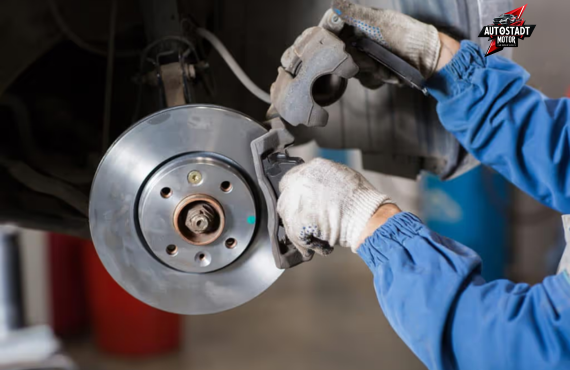
At AutoStadt Motor Services, the focus is on diagnosing brake problems accurately and recommending repairs according to the condition of the vehicle. Whether your Mercury needs new brake pads, rotor inspection, caliper servicing, brake fluid checks, or investigation of a warning light, a proper assessment can help restore dependable braking performance.
The aim is not simply to replace worn parts. It is to ensure that the braking system works correctly, responds consistently, and meets the vehicle’s requirements for safe everyday driving.
Signs Your Car Needs Mercury Brake Repair
Brake problems do not always appear suddenly. In many cases, the vehicle provides warning signs that indicate wear, hydraulic issues, or a developing mechanical fault. Recognizing these symptoms early can help prevent additional damage.
1. Squealing or Grinding Brake Noise
A high-pitched squeal when applying the brakes can indicate worn brake pads, although dust, moisture, or other contact between components may also cause noise.
Grinding is more concerning. It can occur when friction material has worn excessively and metal components begin contacting the brake rotor. Continuing to drive in this condition may damage the disc and increase repair costs.
If your Mercury produces persistent squealing or grinding, arrange an inspection rather than assuming the sound will disappear on its own.
2. Vibration When Applying the Brakes
If the steering wheel or brake pedal vibrates when slowing down, the braking system should be checked.
Uneven rotor surfaces, disc thickness variation, deposits, or other mechanical problems can contribute to vibration. However, suspension and wheel-related faults may produce similar symptoms.
At AutoStadt Motor Services, the source of the vibration should be identified before deciding whether the rotors need resurfacing, replacement, or another repair.
3. Soft or Spongy Brake Pedal
A brake pedal that feels unusually soft or travels farther than normal can indicate a hydraulic problem.
Possible causes include air in the brake lines, fluid leakage, deteriorated components, or a fault involving the master cylinder. A pedal that gradually sinks while pressure is maintained also requires prompt attention.
Because these symptoms may indicate reduced braking capability, avoid driving the vehicle until the problem has been assessed. If braking performance is seriously affected, arrange recovery rather than attempting to drive to a workshop.
4. Mercury Pulls to One Side During Braking
If your vehicle moves left or right when you apply the brakes, the braking force may not be balanced across the wheels.
A sticking caliper, uneven pad wear, contaminated friction material, or a hydraulic issue may contribute to this behaviour. Tyre and suspension problems can also affect vehicle stability.
An inspection helps determine whether the problem originates in the brakes or another part of the vehicle.
5. Brake Warning Light Appears
A brake warning light should never be ignored, particularly when it appears alongside changes in pedal feel or stopping performance.
Depending on the vehicle, the warning may relate to low brake fluid, the parking brake, a hydraulic fault, or another braking-system condition. An ABS warning light can indicate a separate issue with the anti-lock braking system.
The meaning of the warning depends on the specific Mercury model. A diagnostic check and physical inspection can help identify the cause.
6. Burning Smell After Braking
A strong burning smell near a wheel may indicate excessive brake heat. Possible causes include a sticking caliper, dragging brake pads, or repeated heavy braking.
A wheel that becomes unusually hot compared with the others can also indicate a problem, although it should never be touched to check its temperature.
If smoke appears or a wheel seems to be overheating, stop somewhere safe and arrange professional assistance. Continuing to drive can worsen the fault.
7. Increased Stopping Distance
If your Mercury takes longer than usual to stop, the braking system needs immediate attention.
Worn pads, poor tyre grip, contaminated friction surfaces, hydraulic problems, or other mechanical faults can affect stopping performance. Wet roads and unsuitable tyres may also increase stopping distance.
Reduced braking performance should not be treated as a routine maintenance issue that can wait indefinitely.
Why Choose AutoStadt Motor Services for Mercury Brake Repair
Choosing a suitable workshop involves more than finding a place that can replace brake pads. Effective brake servicing requires accurate diagnosis, compatible components, and proper checks after the repair.
Vehicle-Specific Brake Inspection
Mercury vehicles differ in age, design, and braking-system configuration. A repair procedure suitable for one model may not apply to another.
AutoStadt Motor Services can assess the vehicle’s specification and inspect the relevant components before recommending work. This helps ensure that the repair addresses the actual fault rather than relying on assumptions.
Brake Pad and Rotor Assessment
Brake pads and rotors work together to create the friction required to slow the vehicle. When either component becomes excessively worn or damaged, braking performance can deteriorate.
An inspection considers pad thickness, rotor condition, wear patterns, and the manufacturer’s specifications. Replacement decisions should be based on measured condition and service limits rather than appearance alone.
Hydraulic System and Brake Fluid Checks
A braking system depends on the correct hydraulic pressure to transfer pedal force to the brakes.
Leaks, deteriorated hoses, fluid contamination, or master-cylinder problems can affect system operation. Brake fluid should also be checked and replaced according to the manufacturer’s recommended maintenance schedule and the fluid’s condition.
Attention to the Underlying Cause
Replacing one component will not necessarily resolve a problem if another fault caused the original damage.
For example, new brake pads may wear unevenly again if a caliper is sticking. Similarly, replacing rotors without checking the related components may leave the underlying vibration or wear problem unresolved.
A diagnostic approach helps reduce unnecessary parts replacement and supports more reliable repairs.
Practical Service for Dubai Drivers
Dubai drivers may encounter a combination of urban traffic, expressway travel, and repeated braking during busy periods. These conditions make regular brake inspections a sensible part of vehicle maintenance.
Whether you also maintain a Toyota Land Cruiser, Nissan Patrol, BMW 5 Series, or Mercedes-Benz E-Class, brake servicing should always follow the requirements of the particular vehicle. AutoStadt Motor Services can help Mercury owners assess braking concerns and understand which repairs are appropriate.
How Our Mercury Brake Repair Process Works
A dependable brake repair follows a clear sequence: identify the complaint, inspect the system, confirm the fault, carry out the necessary work, and verify the result.
Step 1: Discuss the Symptoms
The process begins by understanding what the driver has noticed.
The technician may ask whether the brakes squeal, whether the pedal feels soft, if vibration occurs at particular speeds, or whether a warning light has appeared. Information about when the problem started can also help narrow down possible causes.
Step 2: Inspect the Brake Components
The relevant brake components are inspected according to the symptoms and vehicle configuration.
This may include brake pads, rotors, calipers, hoses, brake lines, fluid condition, and visible signs of leakage or overheating. The wheels and tyres may also require examination if the complaint involves pulling or vibration.
Step 3: Confirm the Cause
Once the initial inspection is complete, the technician evaluates the evidence to determine what needs attention.
A noise may originate from worn pads, while vibration could be associated with rotor condition or another mechanical issue. A warning light may require electronic diagnosis in addition to a physical inspection.
Confirming the cause helps avoid replacing components unnecessarily.
Step 4: Recommend the Appropriate Repair
After diagnosis, the required work can be explained to the vehicle owner.
Depending on the findings, the repair may involve replacing brake pads, servicing or replacing rotors, repairing a leaking hydraulic component, addressing a sticking caliper, replacing damaged hoses, or servicing the ABS system.
The correct parts must be compatible with the specific Mercury model and its braking configuration.
Step 5: Carry Out the Repair
The confirmed repair is then completed using the appropriate procedures and components.
If hydraulic work has been performed, the system may require bleeding to remove air. Where relevant, brake fluid is brought to the specified level and the system is checked for leakage.
Other components affected by the original fault should also be considered before the vehicle is returned to service.
Step 6: Perform Final Checks
Following the repair, the braking system should be checked to verify correct operation.
Depending on the work performed, these checks may include pedal feel, fluid level, leakage inspection, warning-light status, and controlled braking tests under appropriate conditions.
A road test should only be performed when the vehicle is safe to operate. If a serious brake fault remains, it should not be driven.
Mercury Brake Maintenance Tips for Dubai Conditions
Preventive maintenance can help identify brake wear before it becomes a safety concern.
First, pay attention to changes in sound or pedal feel. A new grinding noise, persistent vibration, or unexpected increase in pedal travel deserves investigation.
Second, follow the vehicle manufacturer’s recommendations for brake fluid inspection and replacement. Brake fluid can absorb moisture over time, potentially affecting performance and component protection. The correct fluid specification must always be used.
Third, ask for a brake inspection during routine servicing, particularly if the vehicle is frequently driven in congested traffic. Repeated stopping can contribute to brake wear, although the rate depends on driving style, vehicle weight, road conditions, and component quality.
It is also important to maintain suitable tyres. Even a properly functioning braking system depends on tyre grip to transfer braking force to the road. Worn tyres can reduce traction and increase stopping distances.
Finally, investigate uneven pad wear instead of replacing the pads without further checks. A sticking caliper, damaged guide pins, or another mechanical issue may be responsible. Addressing the cause can help the replacement components perform as intended.
Frequently Asked Questions About Mercury Brake Repair in Dubai
1. How do I know when my Mercury needs brake repair?
Common signs include squealing or grinding sounds, vibration while braking, a soft pedal, pulling to one side, a brake warning light, or increased stopping distance. Some faults may develop without obvious symptoms, which is why routine inspections are useful. If braking performance changes suddenly or the pedal becomes difficult to operate, stop driving and arrange professional assistance.
2. How much does Mercury brake repair cost in Dubai?
The cost depends on the model, the components involved, parts availability, and the amount of labour required. Replacing brake pads is generally a different job from replacing rotors, repairing a caliper, or addressing a hydraulic fault. The best way to obtain an accurate estimate is to have the vehicle inspected and request a breakdown of the recommended parts and labour before authorizing the repair.
3. Should I replace brake pads and rotors at the same time?
Not always. Brake pads and rotors should be assessed separately according to their condition and the manufacturer’s specifications. If the rotors remain within the permitted thickness limits and have a suitable surface condition, replacement may not be necessary. However, deeply scored, cracked, excessively worn, or otherwise unsuitable rotors may require replacement. The correct decision depends on inspection and measurement.
4. Can I drive my Mercury if the brakes are making a grinding noise?
Grinding can indicate that the brake friction material has worn down enough for metal components to contact the rotor. This can damage the braking surface and may reduce braking performance. Because the severity cannot be determined from the sound alone, the vehicle should be inspected promptly. If braking feels weak, the pedal behaves abnormally, or the noise is severe, do not continue driving; arrange recovery instead.
5. How often should Mercury brakes be inspected in Dubai?
The appropriate inspection schedule depends on the model, mileage, driving conditions, and manufacturer’s maintenance guidance. Frequent stop-and-go driving or repeated heavy braking may accelerate wear, so vehicles used regularly in busy Dubai traffic can benefit from checks during scheduled maintenance. An inspection should also be arranged whenever warning signs appear, rather than waiting for the next service appointment.
Conclusion
Mercury brake repair is an important part of maintaining vehicle safety, predictable stopping performance, and dependable everyday driving. Warning signs such as grinding noises, a soft brake pedal, steering vibration, pulling, or dashboard alerts should be investigated before the underlying problem becomes more serious.
The right solution depends on the actual condition of the braking system. Some vehicles need new brake pads, while others may require rotor replacement, caliper servicing, hydraulic repairs, or attention to the ABS system. Accurate diagnosis helps identify the necessary work and reduces the risk of replacing parts that are still serviceable.
For Mercury owners in Dubai, AutoStadt Motor Services offers professional brake inspection and repair support focused on identifying faults and recommending suitable solutions. Regular maintenance, compatible replacement parts, and proper post-repair checks all contribute to dependable braking.
If your Mercury is showing signs of brake wear or its stopping performance has changed, arrange an inspection rather than postponing the repair. Addressing the issue promptly is a practical step toward safer driving on Dubai’s roads.


Leave a Comment