
Mazda heating repair is essential when your vehicle’s heater stops producing warm air, takes too long to heat the cabin, or develops unusual smells and noises. Although Dubai is known for its hot climate, a properly functioning car heating system remains important for windscreen defogging, temperature regulation, and comfortable driving during cooler mornings and winter evenings.
Your Mazda’s heating system relies on several interconnected components. Depending on the model, these may include the engine cooling system, heater core, coolant circulation, thermostat, blower motor, air-mix door, temperature sensors, and climate-control unit. A problem with any of these parts can affect the amount of heat entering the cabin.
For example, a Mazda CX-5 that produces cold air when the heater is switched on may have a thermostat problem, low coolant, restricted heater core, or faulty temperature-control mechanism. Meanwhile, a Mazda 3 with weak airflow may require inspection of its cabin filter, blower motor, or ventilation system.
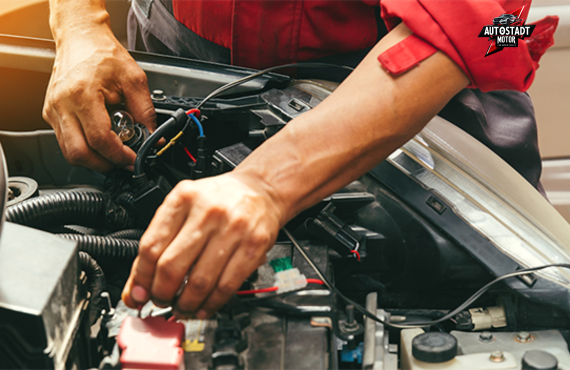
At AutoStadt Motor Services, we help Dubai motorists identify heating and climate-control problems through a systematic inspection process. Rather than replacing parts based on symptoms alone, the objective is to determine the underlying fault and recommend a suitable repair for the specific Mazda model.
Whether you drive a Mazda 6, Mazda CX-3, Mazda CX-5, or another vehicle in the Mazda range, timely diagnosis can help restore reliable cabin heating and identify cooling-system problems before they become more serious.
Signs Your Car Needs Mazda Heating Repair
Heating problems can develop gradually or appear suddenly. Recognizing the warning signs early helps you understand when your vehicle needs professional attention.
1. The Heater Blows Cold Air
One of the most common reasons to seek Mazda heating repair is when the ventilation system blows cold air even after the engine has warmed up.
In vehicles that use engine coolant to produce cabin heat, this symptom can indicate low coolant, a thermostat that is not operating correctly, restricted coolant circulation, or a blocked heater core. A faulty temperature blend door may also prevent warm air from reaching the cabin.
However, the correct diagnosis depends on the vehicle’s temperature readings and heating-system design. Simply increasing the temperature setting will not resolve a mechanical or coolant-related fault.
2. The Cabin Takes Too Long to Warm Up
If your Mazda takes considerably longer than usual to produce warm air, the engine may not be reaching its intended operating temperature.
A thermostat stuck open can allow coolant to circulate too freely through the radiator, slowing engine warm-up. Consequently, the heating system may struggle to provide sufficient warmth.
Other causes can include coolant circulation problems or issues with the climate-control system. A technician can check whether the engine is warming up normally before investigating the heater itself.
3. The Heater Produces Inconsistent Temperatures
Sometimes the air becomes warm and then turns cold without a clear reason.
This behaviour may be associated with low coolant, air trapped in the cooling system, inconsistent coolant circulation, a malfunctioning temperature sensor, or a problem with the air-mix door.
Because several faults can produce similar symptoms, it is important to inspect the cooling system and climate-control operation together rather than focusing on one component immediately.
4. Weak Airflow From the Vents
Your Mazda may produce warm air, but the airflow could be too weak to heat the cabin effectively.
A dirty cabin air filter is one possible cause. A worn blower motor, damaged fan control module, restricted ventilation passage, or another HVAC fault may also reduce airflow.
This issue can affect windscreen defogging as well as passenger comfort. Therefore, if the vents are barely blowing air even at a high fan setting, arranging an inspection is worthwhile.
5. Sweet Smell or Moisture Inside the Cabin
A sweet or unusual smell, persistent windscreen film, or damp carpeting may indicate a coolant leak near the heater core.
The heater core transfers heat from the engine coolant into the cabin air. If it develops a leak, coolant vapour or liquid may enter areas inside the vehicle.
These symptoms should not be ignored. Coolant leaks can cause engine overheating, and a leaking heater core may require specialist repair. If you notice unexplained coolant loss, have the vehicle inspected promptly.
6. Engine Temperature Behaves Unusually
A faulty thermostat or another cooling-system problem can affect both engine temperature and cabin heating.
If the temperature gauge rises above its normal range, a warning light appears, or steam develops, stop driving safely and switch off the engine when appropriate. Do not open a hot cooling-system cap because pressurized coolant can cause severe burns.
Heating complaints accompanied by overheating require particular attention because the underlying problem may affect engine reliability.
7. Heating Controls Do Not Respond Properly
If changing the temperature setting has little effect, the problem may involve an electronic control, temperature sensor, actuator, or air-mix door.
Modern Mazda climate-control systems may use electronic components to direct air through different passages and regulate cabin temperature. A mechanical obstruction or electrical fault can prevent the selected temperature from being delivered.
A diagnostic inspection helps determine whether the issue lies in the control system or the heating circuit.
Why Choose AutoStadt Motor Services for Mazda Heating Repair
Choosing a suitable workshop involves more than finding someone who can replace a heater component. Accurate diagnosis, appropriate repair methods, and final system checks are all important.
Model-Specific Heating Diagnosis
Different Mazda models and model years may use different heating and climate-control configurations. The repair procedure should therefore reflect the actual vehicle rather than relying on a generic approach.
At AutoStadt Motor Services, the diagnostic process considers the reported symptoms, engine temperature, coolant condition, airflow, and relevant heating-system components.
Identifying Cooling-System Problems
Because many vehicle heaters depend on engine coolant, a heating complaint may reveal a problem outside the cabin ventilation system.
For example, a thermostat fault may affect engine warm-up, while a coolant leak may reduce heating performance and eventually contribute to overheating.
Checking the wider cooling system helps distinguish between a heater-specific fault and a problem that affects the engine as well.
Avoiding Unnecessary Part Replacement
Cold air from the vents does not automatically mean the heater core has failed. Likewise, weak airflow does not necessarily mean the entire blower assembly needs replacing.
The problem may involve a simpler issue, such as a restricted filter, faulty actuator, low coolant, or thermostat malfunction.
A diagnostic-first approach helps identify the appropriate repair and reduces the risk of replacing expensive components unnecessarily.
Professional Support for Different Vehicle Brands
Modern vehicles use different approaches to cabin temperature management. A Mazda CX-5, Toyota RAV4, Nissan X-Trail, BMW 3 Series, and Mercedes-Benz C-Class may have different component layouts and diagnostic requirements.
Understanding these differences matters when assessing heating performance, coolant circulation, and climate-control operation.
Service for Dubai Driving Conditions
Even though heating may be used less frequently in Dubai than in colder countries, the heater remains part of the vehicle’s ventilation and defogging system.
Regular inspections can also reveal cooling-system problems that matter throughout the year. AutoStadt Motor Services can help assess your Mazda’s heating concerns and recommend repairs according to the findings.
How Our Mazda Heating Repair Process Works
An effective repair process begins by understanding the symptoms and finishes with confirmation that the heating system operates as expected.
Step 1: Discuss the Symptoms
The first stage involves identifying when the heating problem occurs.
The technician may ask whether the air remains cold throughout the journey, whether the engine temperature behaves normally, whether the airflow is weak, or whether the problem changes with different temperature settings.
These details help narrow down the potential causes and guide the inspection.
Step 2: Inspect Engine Temperature and Coolant
For Mazda vehicles using engine coolant to provide cabin heat, the cooling system is an important part of the diagnosis.
The coolant level is checked when it is safe to do so, and the engine’s warm-up behaviour is assessed. Signs of leakage and other cooling-system concerns may also be investigated.
Low coolant should not simply be topped up without considering why the level has dropped. If a leak is present, the source needs to be identified.
Step 3: Evaluate Heater Core and Coolant Circulation
If the engine reaches its normal operating temperature but the cabin remains cold, attention may turn to coolant circulation through the heater core.
Depending on the symptoms, the technician may investigate restricted flow, trapped air, leakage, or other circulation problems.
A heater core should not be replaced automatically because several other faults can prevent warm air from reaching the cabin.
Step 4: Check the Blower and Air Distribution System
The next stage focuses on airflow and temperature control.
The blower motor, fan settings, cabin filter, air passages, temperature actuator, and related controls may be inspected as needed. Electronic diagnostics may also be appropriate when the vehicle’s climate-control system reports a fault.
This stage helps distinguish between a system that cannot generate sufficient heat and one that generates heat but cannot distribute it correctly.
Step 5: Recommend the Appropriate Repair
Once the fault has been identified, the technician can recommend a repair suited to the problem.
Depending on the diagnosis, this may involve thermostat replacement, coolant leak repair, heater core service, blower motor repair, filter replacement, actuator repair, or another necessary procedure.
The repair recommendation should account for the vehicle’s configuration and the condition of the affected components.
Step 6: Complete the Repair and Test the System
After the necessary work, the heating system should be checked again.
Where relevant, the coolant level is set according to the manufacturer’s requirements, the cooling system is checked for leaks, and the engine is allowed to reach its appropriate operating temperature.
The technician can then evaluate cabin temperature, airflow, and control response to confirm that the original complaint has been addressed.
Mazda Heating Repair and Preventive Maintenance
Preventive maintenance can help identify conditions that affect heating performance before they become more disruptive.
First, monitor the coolant level according to the manufacturer’s instructions. A repeated drop in coolant level is not normal and should be investigated rather than managed through continuous topping up.
Second, pay attention to engine warm-up behaviour. If the engine takes unusually long to reach its normal temperature or overheats, the cooling system may need inspection.
Third, replace the cabin air filter according to the recommended maintenance schedule and the conditions in which you drive. Dust and airborne debris can accumulate in Dubai, making ventilation maintenance particularly useful.
It is also sensible to check the heating system periodically, even if you rarely use the warm-air setting. The heater can reveal cooling-system faults and plays a role in clearing mist from the windscreen when required.
Finally, do not ignore coolant smells, damp carpets, unexplained windscreen film, or persistent temperature changes. These symptoms can provide useful early warnings of a developing problem.
Frequently Asked Questions About Mazda Heating Repair in Dubai
1. Why is my Mazda heater blowing cold air in Dubai?
Cold air can result from low coolant, a faulty thermostat, restricted flow through the heater core, air trapped in the cooling system, or a problem with the climate-control actuator. The first step is to establish whether the engine reaches its normal operating temperature and whether the coolant system is functioning correctly. A workshop such as AutoStadt Motor Services can inspect these areas and determine which repair is appropriate for your Mazda.
2. How much does Mazda heating repair cost in Dubai?
The cost depends on the cause of the problem, the Mazda model, parts availability, and the labour required. Replacing a cabin filter or addressing a straightforward control issue will generally involve a different level of work from repairing a coolant leak or replacing a heater core. A proper inspection helps establish the scope of the repair before you commit to replacing components.
3. Can low coolant cause my Mazda heater to stop working?
Yes. In Mazda models that use engine coolant for cabin heating, a low coolant level can interfere with heat transfer and may cause the heater to blow cold or inconsistent air. However, low coolant may also indicate a leak or another cooling-system problem. Check the level only when the engine is cool and follow the vehicle manufacturer’s instructions. If the coolant keeps dropping or the engine overheats, arrange an inspection promptly.
4. Is a faulty thermostat responsible for poor Mazda heating?
A thermostat that remains open can prevent the engine from reaching its intended operating temperature quickly, reducing the heat available to the cabin. A thermostat that fails in another way may contribute to overheating. Nevertheless, poor heating has several possible causes, so the thermostat should be tested as part of a broader diagnosis rather than replaced based on symptoms alone.
5. How long does Mazda heating repair take?
The repair time depends on the fault and how accessible the affected component is. A filter replacement or straightforward control repair may be completed relatively quickly, while diagnosing an intermittent electrical fault, repairing a coolant leak, or replacing a heater core can require considerably more time. AutoStadt Motor Services can provide a more useful time estimate after inspecting the vehicle and identifying the work required.
Conclusion
Mazda heating repair is important when your vehicle produces cold air, struggles to warm the cabin, develops unusual smells, or shows signs of a cooling-system problem. Although heating may not be used every day in Dubai, the system remains valuable for cabin comfort and windscreen defogging.
The key to an effective repair is identifying the underlying cause. Low coolant, thermostat failure, restricted heater-core flow, blower problems, and faulty temperature controls require different solutions. Replacing parts without confirming the fault can lead to unnecessary expense and leave the original problem unresolved.
AutoStadt Motor Services offers professional inspection and repair support for Mazda heating and climate-control concerns in Dubai. By assessing the symptoms, checking the relevant components, and testing the system after repairs, the goal is to restore reliable heating and help protect the vehicle’s wider cooling system.
If your Mazda’s heater is not working as expected, arrange an inspection before the problem becomes more serious. Early diagnosis can help you make an informed repair decision and keep your vehicle ready for everyday driving in Dubai.


Leave a Comment