
Lincoln steering oil leak repair is essential when your vehicle develops fluid leakage around the power steering system, steering rack or hydraulic connections. A steering oil leak may initially appear as a few drops underneath the vehicle, but ignoring it can gradually affect steering performance, increase component wear and make driving less comfortable. For Lincoln owners in Dubai, where high temperatures and demanding road conditions can put additional pressure on vehicle components, timely steering system maintenance is particularly important.
Lincoln vehicles are designed to deliver a comfortable driving experience, smooth handling and responsive steering. Models such as the Lincoln Navigator, Aviator, Nautilus and Continental rely on properly functioning steering components to maintain predictable vehicle control. Depending on the model and steering configuration, the system may use hydraulic or electric power assistance. Therefore, identifying the correct source of an oil leak is the first step towards an effective repair.
A steering fluid leak should never be confused with an ordinary engine oil leak. Power steering fluid has a different purpose, and losing it can affect the hydraulic assistance responsible for making steering easier. Common leakage points include damaged hoses, loose connections, worn seals, steering pumps and steering rack components.
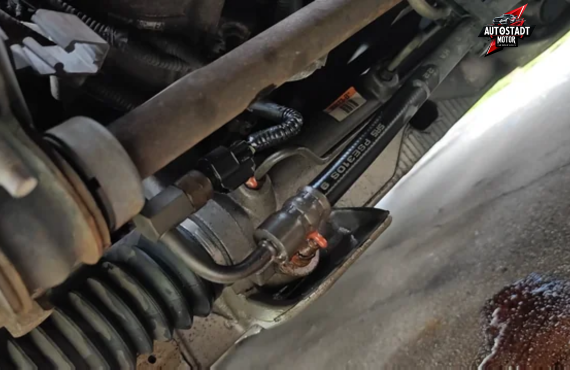
At AutoStadt Motor Services, we provide automotive inspection, steering system diagnostics and repair solutions for vehicle owners in Dubai. Our approach focuses on identifying the source of leakage, assessing the condition of related components and recommending appropriate repairs.
Whether your Lincoln is showing fluid stains beneath the front end, producing unusual steering noises or becoming difficult to turn, professional inspection can help prevent further damage and maintain dependable steering performance.
Signs Your Car Needs Lincoln Steering Oil Leak Repair
Steering oil leaks can develop gradually, which means drivers may overlook the early warning signs. Recognising these symptoms can help you arrange repairs before the problem affects other steering components.
1. Red or Amber Fluid Spots Under Your Lincoln
One of the most noticeable signs of a steering fluid leak is liquid collecting underneath the front section of your vehicle.
Depending on the fluid type, power steering fluid may appear red, amber, pinkish or light brown. However, its colour can change as it ages and becomes contaminated.
If you regularly notice oily spots around the front wheels or beneath the engine compartment, the steering system should be inspected.
The leakage could originate from a damaged power steering hose, steering pump seal, reservoir connection or steering rack.
At AutoStadt Motor Services, identifying the fluid source is an important part of our diagnostic approach because several automotive fluids can produce similar-looking stains.
2. Heavy or Difficult Steering
A hydraulic power steering system depends on sufficient fluid pressure to provide steering assistance. When fluid escapes through a damaged connection or worn seal, the system may lose pressure.
As a result, you might notice that the steering wheel becomes heavier, particularly when parking or making tight turns.
This problem can make everyday driving uncomfortable and may become more noticeable when manoeuvring a large vehicle such as a Lincoln Navigator.
If steering suddenly becomes unusually heavy, arrange an inspection and avoid continuing to drive if vehicle control is affected.
3. Whining or Groaning Noises While Turning
Unusual noises are another common indication of a power steering problem.
A whining or groaning sound when turning the steering wheel may indicate insufficient fluid, air entering the hydraulic system or excessive strain on the steering pump.
When the fluid level becomes too low, the pump may struggle to maintain proper hydraulic pressure.
Ignoring these sounds can increase internal pump wear and potentially lead to more expensive repairs.
4. Frequently Low Power Steering Fluid
If you repeatedly need to top up your Lincoln’s power steering fluid, there may be an underlying leak.
Unlike fuel or engine oil consumption, power steering fluid should not normally require frequent replacement between scheduled maintenance intervals.
A falling fluid level can indicate leakage from hoses, seals, reservoir connections or the steering rack.
Simply adding more fluid does not resolve the original problem. The system needs to be inspected to determine where the fluid is escaping.
5. Wetness Around Steering Hoses and Connections
Power steering hoses transport hydraulic fluid between different system components. Over time, exposure to heat, pressure and vibration can affect their condition.
Cracks, loose fittings and deteriorated rubber sections may allow fluid to escape.
During inspection, technicians should examine the hose surfaces, connection points and surrounding components for signs of wetness or accumulated fluid.
Early identification of a damaged hose can help prevent a larger fluid leak.
6. Burning Smell or Smoke Near the Engine Compartment
In some cases, leaking steering fluid may come into contact with hot engine components.
This can produce an unpleasant burning smell, especially after driving for an extended period.
If fluid reaches extremely hot surfaces, smoke may also become noticeable.
This situation requires prompt attention because leaking fluid near hot components can create additional safety concerns.
7. Steering Wheel Vibration or Inconsistent Assistance
A hydraulic steering system that is losing fluid or allowing air to enter may produce inconsistent steering assistance.
You might experience unusual resistance, vibration or changes in steering response while turning.
Although these symptoms can also result from suspension, tyre or alignment problems, a professional inspection can help determine whether the steering hydraulic system is involved.
Why Choose AutoStadt Motor Services for Lincoln Steering Oil Leak Repair?
Selecting an experienced automotive garage is important when dealing with steering system problems. A Lincoln vehicle contains specialised components, and an incorrect repair approach may fail to address the actual source of leakage.
AutoStadt Motor Services focuses on identifying automotive problems accurately and recommending suitable maintenance and repair solutions for Dubai drivers.
Experienced Steering System Inspection
A steering oil leak can originate from several different locations. Replacing one component without checking the complete system may allow the original problem to continue.
Our inspection approach focuses on important areas, including:
Power steering pump and seals.
Hydraulic pressure and return hoses.
Steering fluid reservoir.
Hose connections and fittings.
Steering rack and pinion seals.
Fluid pipes and associated connections.
Related steering components.
This helps establish whether the leakage is coming from an individual connection, a damaged hose or an internal steering component.
Accurate Leak Detection and Diagnosis
Identifying the exact source of a steering fluid leak is essential for achieving a reliable repair.
Fluid can travel along nearby components before dripping onto the ground. Consequently, the visible leak location may not always indicate where the problem started.
Our technicians assess the affected areas and examine possible leakage points to determine the underlying cause.
Where necessary, the affected components can be cleaned and rechecked to identify fresh fluid leakage.
Repair Solutions for Different Lincoln Models
Different Lincoln models can have different steering system configurations and component arrangements.
Whether you own a Lincoln Navigator, Aviator, Nautilus or Continental, the correct repair procedure depends on the vehicle’s specific steering design.
Our garage also handles maintenance requirements for other automotive brands, including BMW, Mercedes-Benz, Toyota and Nissan.
This experience with different vehicle systems supports a careful approach to diagnosing steering-related problems.
Quality Replacement Components
When a steering hose, seal, pump or rack component cannot be repaired reliably, replacement may be necessary.
Using suitable replacement parts is important for maintaining proper fluid circulation and steering performance.
At AutoStadt Motor Services, repair recommendations are based on the diagnosed condition of the affected components and the requirements of the vehicle.
Complete Steering System Assessment
A steering fluid leak can sometimes be accompanied by other mechanical issues.
For example, a damaged steering rack may produce both fluid leakage and abnormal steering behaviour. Similarly, a worn pump may generate unusual noises and reduced assistance.
Therefore, checking related components can help identify additional problems that might otherwise remain unnoticed.
Our objective is to address the actual issue and help restore dependable steering operation.
How Our Lincoln Steering Oil Leak Repair Process Works
A systematic repair process helps ensure that the source of leakage is identified and the necessary work is completed correctly.
At AutoStadt Motor Services, the repair process involves several important stages.
Step 1: Initial Vehicle Inspection
The process begins with understanding the symptoms experienced by the vehicle owner.
Our technicians may ask questions about fluid spots, steering resistance, unusual noises and how frequently the fluid level decreases.
We also inspect the visible areas around the engine compartment and front underside of the vehicle.
This initial assessment helps narrow down the possible causes of leakage.
Step 2: Steering Oil Leak Detection
After the preliminary inspection, the steering system is examined to identify the precise leakage location.
Depending on the vehicle’s configuration, this may involve checking:
Hydraulic pressure and return lines.
Steering pump housing.
Reservoir and fluid connections.
Steering rack seals.
Pipe fittings and joints.
Related hydraulic components.
If the vehicle uses electric power steering rather than a hydraulic system, the diagnosis will focus on its mechanical and electrical steering components because it does not use conventional hydraulic steering fluid.
This distinction is particularly important when servicing different Lincoln models.
Step 3: Identify the Damaged Component
Once the leakage source has been located, the affected component is assessed to determine whether it can be repaired or needs replacement.
For example, a loose connection may require proper tightening, while a cracked hydraulic hose may need replacement.
Similarly, damaged pump seals or steering rack seals may require specialised repair work.
The aim is to select a repair solution that addresses the original cause rather than temporarily hiding the symptoms.
Step 4: Steering Hose, Seal or Pump Repair
The next stage involves carrying out the required mechanical work.
Depending on the diagnosis, this may include:
Replacing damaged power steering hoses.
Repairing leaking connections.
Replacing worn pump seals.
Servicing or replacing the steering pump.
Repairing or replacing steering rack components.
Replacing damaged fluid pipes.
Addressing reservoir leakage.
The repair procedure depends on the vehicle model and the condition of its steering system.
Step 5: Power Steering Fluid Replacement and Bleeding
After completing the necessary repairs, the hydraulic system may require the correct power steering fluid to be added or replaced.
The fluid specification must match the manufacturer’s requirements for the particular Lincoln model.
If air has entered the hydraulic system, an appropriate bleeding procedure may also be necessary.
Removing trapped air helps restore consistent hydraulic operation and reduces the possibility of pump noise or irregular steering assistance.
Step 6: Final Leakage and Steering Performance Test
Before completing the job, the repaired areas should be checked for signs of fresh leakage.
The technicians may also assess fluid levels, steering response, unusual noises and overall system operation.
Where applicable, the vehicle is checked under suitable operating conditions to ensure that the repair has addressed the reported problem.
This final inspection helps confirm that the steering system is operating as expected.
How Dubai’s Climate Affects Lincoln Steering Systems
Dubai’s hot climate creates challenging operating conditions for many automotive components. Although power steering systems are designed to function under demanding temperatures, prolonged heat exposure can contribute to the ageing of rubber hoses, seals and other materials.
Additionally, repeated driving, vibration and pressure changes can gradually affect hydraulic connections.
For Lincoln owners, preventive steering maintenance is particularly useful when the vehicle is regularly driven in heavy traffic or used for long journeys.
Consider these maintenance recommendations:
Inspect fluid levels regularly: Check the steering fluid reservoir if your model uses hydraulic power steering. Follow the manufacturer’s instructions and never use an unsuitable fluid.
Watch for fluid stains: Do not ignore repeated oily spots beneath the vehicle, particularly around the front section.
Pay attention to steering noises: Whining or groaning sounds may indicate low fluid levels or pump-related problems.
Avoid unnecessary fluid top-ups: Adding fluid without fixing an active leak can allow the underlying problem to become worse.
Arrange professional inspections: Periodic checks can help identify damaged hoses, deteriorating seals and other developing issues.
These practices can help maintain steering reliability and reduce the possibility of unexpected mechanical problems.
Frequently Asked Questions About Lincoln Steering Oil Leak Repair in Dubai
1. Why Is My Lincoln Leaking Power Steering Fluid?
A Lincoln may leak power steering fluid because of damaged hydraulic hoses, worn steering rack seals, leaking pump connections, deteriorated O-rings or a damaged fluid reservoir.
In older vehicles, rubber seals and hoses may gradually deteriorate because of heat, pressure and regular use.
However, the exact cause cannot be confirmed simply by looking at the fluid underneath the vehicle. A professional inspection is necessary to locate the leakage point.
AutoStadt Motor Services can inspect the steering system, identify the affected component and recommend an appropriate repair solution.
2. How Much Does Lincoln Steering Oil Leak Repair Cost in Dubai?
The cost depends on the source of leakage, the Lincoln model, replacement part requirements and the amount of labour involved.
For example, repairing a loose connection or replacing a damaged hose generally involves different work compared with repairing a steering rack or replacing a power steering pump.
An accurate estimate requires an inspection of the vehicle and confirmation of the damaged component.
AutoStadt Motor Services can assess the problem and explain the recommended repairs before proceeding with the work.
3. Can I Drive My Lincoln With a Power Steering Oil Leak?
Driving with a power steering oil leak is not recommended, particularly if the fluid level is dropping quickly or steering assistance has become inconsistent.
Low hydraulic fluid can cause the steering pump to operate under excessive strain, potentially resulting in further damage.
If the steering wheel becomes unusually heavy, the vehicle becomes difficult to control or a significant leak is visible, stop in a safe location and arrange professional assistance or recovery.
Continuing to drive without addressing the problem may increase repair costs and safety risks.
4. How Do I Know If My Lincoln Steering Rack Is Leaking?
Common signs of a leaking steering rack include fluid accumulation around the rack housing, wetness near the steering rack boots, repeated fluid loss and unusual steering behaviour.
However, fluid from nearby hoses or connections can sometimes travel towards the rack and create similar symptoms.
A proper inspection is required to distinguish between an actual rack seal leak and leakage from surrounding components.
If the steering rack is damaged, the appropriate solution may involve specialised repair or replacement, depending on its condition.
5. Where Can I Get Professional Lincoln Steering Oil Leak Repair in Dubai?
If you are searching for a reliable garage for Lincoln steering oil leak repair in Dubai, AutoStadt Motor Services provides automotive inspection, mechanical diagnostics and steering system repair solutions.
Our technicians can help investigate problems involving hydraulic hoses, steering pumps, fluid reservoirs, steering rack seals and related components.
Whether you drive a Lincoln Navigator, Aviator, Nautilus or Continental, arranging an inspection can help identify the cause of fluid leakage and determine the correct repair procedure.
Contact AutoStadt Motor Services to discuss your vehicle’s symptoms and arrange a professional inspection.
Conclusion
Lincoln steering oil leak repair is an important part of maintaining vehicle safety, steering performance and long-term mechanical reliability. A leaking power steering hose, worn pump seal or damaged steering rack can gradually affect the hydraulic system and make driving more difficult.
For Dubai drivers, addressing these problems early is particularly important because high temperatures and demanding driving conditions can place additional stress on ageing automotive components.
At AutoStadt Motor Services, we focus on identifying steering fluid leaks, inspecting affected components and recommending suitable repair solutions. From hydraulic hose replacement and steering pump repairs to steering rack inspection and fluid system servicing, our goal is to help maintain reliable vehicle operation.
If you notice fluid spots beneath your Lincoln, unusual steering noises or increasing resistance when turning the steering wheel, do not ignore these warning signs.
Choose AutoStadt Motor Services for professional automotive inspection and dependable Lincoln steering oil leak repair in Dubai. Early diagnosis and appropriate repairs can help protect your steering system and keep your vehicle ready for everyday driving.


Leave a Comment