
Lincoln brake repair is essential for maintaining the safety, control and performance of your luxury vehicle, particularly when driving through Dubai’s busy roads and demanding traffic conditions. Whether you own a Lincoln Navigator, Continental, Aviator or Corsair, a properly functioning braking system is necessary for responding safely to sudden stops, highway traffic and unexpected road situations.
Lincoln vehicles are designed to deliver a comfortable and powerful driving experience. However, their braking systems experience continuous pressure during everyday use. Frequent stop-and-go traffic, high temperatures, heavy vehicle loads and extended highway journeys can contribute to brake pad wear, rotor damage and reduced braking efficiency.
A braking system consists of several interconnected components, including brake pads, rotors, calipers, brake fluid, hoses and electronic safety systems. When one component develops a problem, it can affect the performance of the entire system. Therefore, recognising early warning signs and arranging professional brake inspection can help prevent more serious problems.
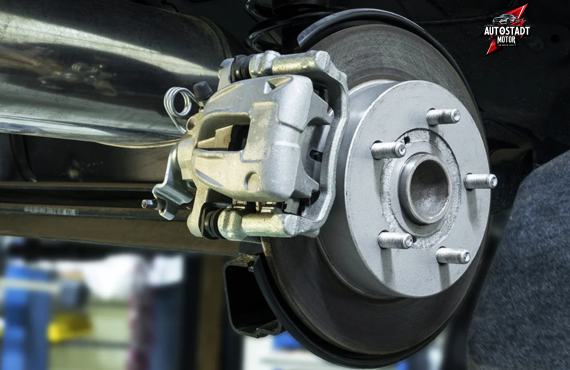
At AutoStadt Motor Services, we understand the importance of maintaining reliable braking performance in premium vehicles. Our automotive repair services focus on identifying brake-related problems, inspecting essential components and recommending appropriate repair solutions.
Whether your Lincoln produces squealing noises, experiences steering vibrations during braking or requires new brake pads, our team can help you understand the issue and restore dependable braking performance.
Signs Your Car Needs Lincoln Brake Repair
Brake problems do not always develop suddenly. In many cases, your vehicle provides warning signs before the braking system becomes significantly damaged. Recognising these symptoms early can help protect your safety and prevent additional repair expenses.
1. Squealing or Grinding Brake Noises
One of the most noticeable signs that your Lincoln requires brake repair is an unusual noise when pressing the brake pedal.
High-pitched squealing may indicate worn brake pads, brake dust accumulation or a problem with the pad wear indicators. However, continuous grinding sounds can suggest that the brake pad friction material has worn down, allowing metal components to contact the rotor.
Ignoring grinding noises can cause serious rotor damage and increase replacement costs.
At AutoStadt Motor Services, technicians can inspect the brake pads, rotors and related components to determine the source of the noise.
2. Vibrations When Applying the Brakes
If your Lincoln steering wheel or brake pedal vibrates when slowing down, the braking system may require attention.
This problem can develop because of uneven rotor surfaces, excessive rotor wear, improper installation or other mechanical issues.
For example, a Lincoln Navigator regularly driven in heavy traffic may experience increased brake wear because of its size and weight.
A professional brake inspection can determine whether the rotors require resurfacing, replacement or further investigation.
3. Increased Braking Distance
Another important warning sign is when your vehicle takes longer than usual to stop.
Reduced braking performance can result from worn brake pads, contaminated brake fluid, damaged calipers or problems within the hydraulic braking system.
This condition is particularly dangerous on Dubai highways, where vehicles frequently travel at higher speeds.
If your Lincoln does not respond to braking inputs as expected, arrange an immediate professional inspection. Avoid continuing to drive a vehicle with significantly reduced braking ability.
4. Soft or Spongy Brake Pedal
A healthy braking system should provide consistent pedal response. If the brake pedal feels unusually soft or sinks further than normal, there may be an issue with the hydraulic system.
Possible causes include:
- Air trapped inside brake lines.
- Brake fluid leakage.
- Degraded brake fluid.
- Master cylinder problems.
- Damaged brake hoses.
These issues can affect hydraulic pressure and reduce braking effectiveness.
Professional diagnosis is important because brake fluid leakage or hydraulic failure can create a serious safety risk.
5. Lincoln Pulls to One Side During Braking
If your Lincoln moves towards the left or right when applying the brakes, one side of the braking system may not be operating correctly.
Possible causes include a sticking brake caliper, uneven brake pad wear, restricted brake hoses or contamination on braking surfaces.
However, suspension and tyre-related problems can also contribute to similar symptoms.
A complete inspection helps distinguish between braking, suspension and wheel-related issues.
6. Brake Warning Light Appears on the Dashboard
Modern Lincoln vehicles use electronic monitoring systems to identify certain braking-related problems.
If the brake warning light or ABS warning indicator appears, the vehicle may have detected a fault requiring attention.
Potential causes include low brake fluid, sensor problems, ABS system faults or electronic parking brake issues.
Never ignore persistent brake warning indicators. Diagnostic equipment and physical inspection may be required to identify the exact problem.
Why Choose AutoStadt Motor Services for Lincoln Brake Repair?
Choosing an experienced automotive garage is important when maintaining a luxury vehicle. Lincoln braking systems combine mechanical and electronic components, making accurate diagnosis essential for dependable repairs.
AutoStadt Motor Services focuses on providing practical automotive repair and maintenance solutions for Dubai drivers.
Professional Brake Inspection and Diagnosis
Replacing brake pads without inspecting the remaining braking components may not resolve the actual problem.
For example, uneven brake pad wear could be associated with a sticking caliper, damaged slide pins or rotor surface problems.
Our repair approach focuses on checking the complete braking system before recommending suitable work.
Depending on the vehicle’s condition, inspection may cover:
- Front and rear brake pads.
- Brake discs and rotors.
- Brake calipers and pistons.
- Brake fluid condition.
- Hydraulic brake lines and hoses.
- Master cylinder operation.
- ABS sensors and related components.
- Electronic parking brake operation.
- Brake warning indicators.
This process helps identify existing problems and potential safety concerns.
Experience With Luxury and Premium Vehicles
Luxury vehicles require careful handling and suitable maintenance procedures.
Our garage works with different automotive brands, including Lincoln, BMW, Mercedes-Benz, Toyota and Nissan. This experience supports our understanding of different braking configurations and vehicle maintenance requirements.
Whether you drive a Lincoln Navigator, Aviator, Corsair or Continental, the repair process should be based on the specific model and its manufacturer-recommended specifications.
Appropriate Brake Parts and Replacement Solutions
Brake components must be compatible with the vehicle’s specifications.
Using unsuitable brake pads or incorrect rotor specifications can negatively affect braking performance, noise levels and component lifespan.
At AutoStadt Motor Services, repair recommendations consider the vehicle model, existing component condition and required specifications.
Depending on the diagnosis, services may include brake pad replacement, rotor replacement, caliper servicing and brake fluid replacement.
Advanced Diagnostic Support
Modern Lincoln vehicles may incorporate ABS, electronic stability control and electronic parking brake systems.
Consequently, some brake problems cannot be identified through visual inspection alone.
Diagnostic scanning can help identify electronic fault codes, sensor-related problems and communication issues affecting the braking system.
Combining electronic diagnostics with physical inspection provides a more complete understanding of the vehicle’s condition.
Clear Repair Recommendations
We believe vehicle owners should understand what needs repairing and why.
Our approach focuses on explaining identified problems and recommending the necessary repair work rather than replacing components without proper assessment.
This allows Lincoln owners to make informed maintenance decisions while prioritising vehicle safety.
How Our Lincoln Brake Repair Process Works
A structured repair procedure helps ensure that important braking components are inspected and repaired correctly.
At AutoStadt Motor Services, our approach focuses on accurate diagnosis, suitable repairs and final performance checks.
Step 1: Initial Brake System Assessment
The process begins by understanding the symptoms experienced by the vehicle owner.
Our technicians may ask whether the vehicle produces unusual noises, pulls to one side, experiences pedal vibrations or takes longer to stop.
We also consider driving conditions, recent maintenance and any warning lights displayed on the dashboard.
This initial assessment helps narrow down possible causes.
Step 2: Complete Brake Component Inspection
After the initial assessment, the technicians examine the braking system.
This may involve checking brake pad thickness, rotor condition, caliper operation, hydraulic connections and brake fluid condition.
The inspection also considers uneven wear, damaged components and signs of overheating.
If necessary, electronic diagnostic equipment may be used to investigate ABS and other braking-related faults.
Step 3: Identify the Actual Brake Problem
Once the inspection is complete, the next step is determining the source of the problem.
For example, a squealing noise may result from worn brake pads, but it could also be caused by brake dust or an installation issue.
Similarly, vibrations during braking may indicate rotor problems, but other suspension components should also be considered.
Identifying the underlying cause helps ensure that the recommended repair addresses the actual fault.
Step 4: Brake Pad, Rotor or Caliper Repair
Depending on the inspection findings, the required components are repaired or replaced.
Common Lincoln brake repair services include:
Brake Pad Replacement: Worn brake pads are replaced with suitable components to restore proper friction and braking response.
Brake Rotor Replacement: Damaged, excessively worn or unsuitable rotors are replaced according to manufacturer specifications.
Brake Caliper Repair: Sticking pistons, damaged seals and other caliper-related problems are inspected and addressed where possible.
Brake Fluid Replacement: Old or contaminated brake fluid is replaced when required, following the correct bleeding procedure.
ABS System Diagnosis: Electronic faults involving ABS sensors and related components are investigated using appropriate diagnostic methods.
Step 5: Brake Fluid and Hydraulic System Inspection
Brake fluid plays an important role in transferring hydraulic pressure from the brake pedal to the braking components.
Over time, brake fluid can absorb moisture, reducing its performance and potentially contributing to corrosion within the braking system.
During servicing, technicians assess fluid condition and inspect hydraulic connections for leakage or damage.
If replacement is required, the correct fluid specification and bleeding procedure should be followed.
Step 6: Final Brake Performance Testing
After completing the repair work, the braking system must undergo appropriate checks.
Our technicians assess pedal response, component installation, fluid levels and any relevant warning indicators.
Where safe and appropriate, a controlled road test may be performed to evaluate braking performance.
The objective is to ensure that the identified problem has been addressed and the braking system operates as expected.
Important Lincoln Brake Maintenance Tips for Dubai Drivers
Preventive maintenance is important for keeping your vehicle’s braking system in good condition.
Dubai’s driving environment can involve heavy traffic, frequent braking, high temperatures and long-distance journeys. These conditions make regular inspections particularly valuable.
Consider the following maintenance practices:
Inspect Brake Pads Regularly: Brake pads gradually lose their friction material through normal use. Arrange inspections according to the manufacturer’s maintenance recommendations.
Check Brake Fluid Condition: Brake fluid should be inspected periodically and replaced according to the recommended service schedule.
Pay Attention to Unusual Noises: Squealing, grinding and clicking sounds should be investigated rather than ignored.
Avoid Aggressive Braking: Sudden and unnecessary braking can increase heat generation and accelerate brake component wear.
Inspect Rotors for Damage: Excessive wear, scoring and other rotor problems can affect braking performance.
Respond to Warning Lights: ABS and brake warning indicators should be investigated promptly.
Maintain Your Entire Vehicle: Tyre condition, wheel alignment and suspension components can influence braking stability and overall vehicle control.
Following these practices can help Lincoln owners maintain consistent braking performance and reduce the likelihood of unexpected repair problems.
Frequently Asked Questions About Lincoln Brake Repair in Dubai
1. How Much Does Lincoln Brake Repair Cost in Dubai?
The cost of Lincoln brake repair depends on the vehicle model, the condition of the braking system and the components requiring attention.
For example, replacing brake pads generally involves different costs compared with replacing brake rotors, repairing calipers or resolving ABS-related faults.
The availability and specifications of replacement components can also influence the final estimate.
At AutoStadt Motor Services, a proper inspection helps identify the required work before recommending a suitable repair solution. Contact the garage for an estimate based on your specific Lincoln model and its condition.
2. How Often Should I Replace the Brake Pads on My Lincoln?
There is no fixed replacement mileage that applies to every Lincoln vehicle. Brake pad lifespan depends on driving habits, road conditions, vehicle weight, brake component quality and maintenance history.
Frequent braking in Dubai traffic may cause pads to wear faster than regular highway driving.
Rather than relying only on mileage, have the brake pads inspected periodically. Replace them when their remaining friction material reaches the manufacturer’s specified wear limit.
3. Why Does My Lincoln Make a Grinding Noise When Braking?
A grinding noise may indicate that the brake pads have become excessively worn, allowing metal components to contact the brake rotors.
It may also result from damaged braking surfaces or foreign material trapped between components.
Continuing to drive with a grinding brake noise can increase rotor damage and compromise braking performance.
Arrange an immediate inspection. If braking performance is reduced or the noise is severe, avoid driving the vehicle and arrange professional assistance.
4. Can I Replace Lincoln Brake Pads Without Replacing the Rotors?
Yes, brake pads can sometimes be replaced without replacing the rotors.
However, the rotors must be inspected for thickness, scoring, cracks, excessive wear and surface condition. If they remain within the manufacturer’s specifications and are suitable for continued use, replacing the pads alone may be appropriate.
If the rotors are damaged or below their minimum thickness, replacement may be necessary.
A professional inspection helps determine the correct approach for your particular Lincoln model.
5. Where Can I Get Reliable Lincoln Brake Repair in Dubai?
If you are searching for reliable Lincoln brake repair in Dubai, AutoStadt Motor Services provides automotive inspection, diagnostics and repair solutions for different vehicle brands.
Our services can help address common braking problems involving worn brake pads, damaged rotors, faulty calipers, brake fluid issues and ABS-related faults.
Whether you own a Lincoln Navigator, Aviator, Continental or Corsair, our team can assess your vehicle and recommend suitable maintenance and repair options.
Contact AutoStadt Motor Services to discuss your braking concerns and arrange a professional inspection.
Conclusion
Maintaining an efficient braking system is essential for the safety, control and reliability of your Lincoln. Whether you experience unusual brake noises, steering vibrations, a soft pedal or reduced stopping performance, addressing these problems early can help prevent additional damage and costly repairs.
Because Lincoln vehicles combine powerful mechanical braking components with modern electronic safety systems, accurate diagnosis and suitable replacement parts are important for achieving dependable results.
AutoStadt Motor Services aims to provide Dubai car owners with professional automotive inspection, maintenance and repair solutions. From brake pad replacement and rotor servicing to caliper inspection, brake fluid maintenance and ABS diagnostics, our team can help identify and address different braking concerns.
Do not wait until a minor brake problem becomes a serious safety issue. If your Lincoln needs brake inspection or repair, contact AutoStadt Motor Services and take the right step towards safer, more confident driving in Dubai.


Leave a Comment