
McLaren steering oil leak repair is an important service when your supercar develops fluid leakage, unusual steering noises, or changes in steering response. McLaren vehicles are engineered for precision, performance, and driver control. Therefore, any issue affecting the steering system deserves careful attention rather than a temporary fix.
A steering fluid leak can originate from several areas, including hydraulic lines, seals, connections, a steering rack, or a related component, depending on the vehicle’s design. However, it is essential to identify the exact steering system fitted to your particular McLaren before assuming that the problem involves steering oil. Some vehicles use hydraulic or electro-hydraulic assistance, while others use electric power steering and do not require conventional hydraulic steering fluid.
Dubai’s driving environment makes timely maintenance especially valuable. High ambient temperatures, heavy traffic, frequent parking manoeuvres, and extended periods of low-speed driving can place different demands on vehicle systems. If a steering component is already deteriorating, delaying an inspection may allow a minor issue to become a more complicated repair.
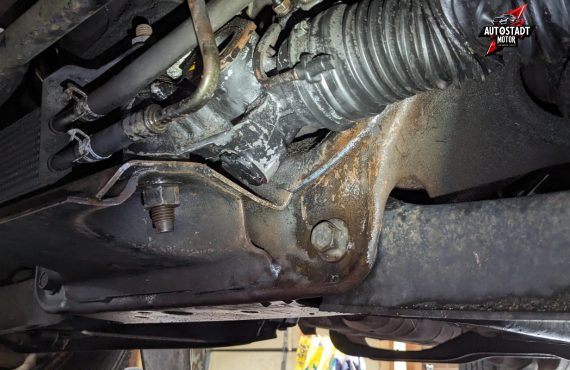
At AutoStadt Motor Services, McLaren steering concerns should be approached through systematic inspection and fault diagnosis. The goal is to identify the source of the leakage, assess the condition of the affected components, and recommend a repair suited to the vehicle’s specification.
Whether you drive a McLaren 570S, 720S, GT, or another model, understanding the warning signs can help you decide when professional attention is necessary. Early diagnosis also helps protect the vehicle’s performance, reliability, and long-term value.
Signs Your Car Needs McLaren Steering Oil Leak Repair
Steering problems do not always begin with a large puddle beneath the car. Sometimes, the first indication is a change in steering feel or an unusual sound. Recognising these symptoms can help you arrange an inspection before the condition worsens.
1. Fluid Appearing Beneath the Vehicle
Fluid collecting underneath your McLaren is a reason to investigate, particularly when it appears repeatedly after parking.
The location of the fluid can provide a clue, but it does not confirm the source. Steering fluid, engine oil, coolant, transmission fluid, and other automotive fluids may collect around nearby underbody components. In addition, fluid can travel away from the original leak before dripping onto the ground.
A technician should identify the fluid and trace it to the component responsible. Avoid relying on colour alone because fluid appearance can change with age, contamination, and the type of fluid used.
2. Changes in Steering Effort
If your McLaren’s steering suddenly feels heavier, less consistent, or different from its usual response, arrange an inspection.
On a hydraulic steering system, insufficient fluid may affect steering assistance. A leak can also introduce other problems if the system continues operating without the correct fluid level.
Nevertheless, heavy steering does not automatically indicate a fluid leak. Tyre issues, electrical faults, steering components, and other mechanical problems can create similar symptoms. Proper diagnosis helps distinguish between these possibilities.
3. Whining or Groaning During Steering
Unusual whining, groaning, or mechanical noise when turning the steering wheel can indicate a problem in a hydraulic steering system.
For example, a pump operating with insufficient fluid may produce abnormal noise. However, noises can also originate from other components, so the technician should assess when the sound occurs and whether it changes with steering input.
Do not repeatedly turn the steering wheel to full lock in an attempt to reproduce a noise, especially if you suspect a fluid leak. If steering operation is significantly affected, stop driving and arrange professional assistance.
4. Visible Wetness Around Steering Components
A leak may be visible around a hose, connection, seal, pump, or steering rack without producing an obvious puddle.
During an inspection, technicians may find damp areas, fluid residue, or contamination around components. These clues help narrow down the possible source, but the affected area may need cleaning and further examination before the leak can be confirmed.
For a performance vehicle such as the McLaren 720S, accurate identification is particularly important because replacing the wrong component can increase costs without solving the original problem.
5. Steering Assistance Becomes Intermittent
If the steering feels normal at one moment and noticeably different later, the issue should not be ignored.
In hydraulic systems, fluid loss can affect assistance. In vehicles with electric power steering, an intermittent problem may instead involve electrical connections, sensors, control modules, or the steering motor.
The distinction matters because the correct repair depends on the technology fitted to the vehicle. A technician should establish the system type before recommending any fluid-related work.
6. Repeated Fluid Loss After Topping Up
If your McLaren uses hydraulic steering fluid and the level repeatedly drops, adding more fluid is not a permanent solution.
A properly functioning, sealed hydraulic system should not continually require fluid replacement to maintain its operating level. Repeated loss can indicate a leak that needs to be located and repaired.
Continuing to operate the system with insufficient fluid may place additional stress on components. Therefore, the underlying cause should be investigated promptly.
Why Choose AutoStadt Motor Services for McLaren Steering Oil Leak Repair
A high-performance vehicle requires a careful repair approach. When searching for McLaren steering oil leak repair in Dubai, vehicle owners should prioritise accurate diagnosis, suitable repair procedures, and clear explanations of the work required.
Accurate Diagnosis Before Replacing Parts
The first priority is to determine whether the vehicle actually has a steering fluid leak and identify its source.
A wet area beneath the car does not automatically mean the steering rack has failed. Similarly, heavy steering does not necessarily indicate a leaking pump.
AutoStadt Motor Services can assess the reported symptoms and relevant components to help establish the cause before a repair is recommended. This diagnostic-first approach reduces the risk of unnecessary parts replacement.
Inspection Suited to the Specific McLaren
Different McLaren models and model years can have different component layouts and steering technologies. Consequently, repair procedures should be selected according to the vehicle’s exact configuration.
A McLaren GT may have different service requirements from a 570S or Artura. The vehicle identification, model year, installed system, and available technical information should be considered when determining the appropriate approach.
Attention to Related Components
When a leak is found, inspecting only the visible fluid may not be sufficient.
A technician may also need to check neighbouring hoses, connections, mounting areas, and related components for damage or signs of deterioration. If the fluid has spread across the underbody, tracing it back to the original source is especially important.
This broader assessment helps ensure that the repair addresses the actual fault rather than its visible symptoms alone.
Clear Repair Recommendations
The correct solution depends on the affected component and its condition.
A damaged hose or connection may require a different repair from a leaking steering rack or pump. If the vehicle has electric power steering, diagnosis may involve electrical or mechanical checks rather than hydraulic fluid service.
AutoStadt Motor Services can help determine which repair is appropriate after assessing the problem. Owners should receive a clear explanation of the fault and the proposed work before proceeding.
Professional Care for Dubai’s Driving Conditions
Dubai drivers may experience frequent traffic congestion, high outdoor temperatures, and demanding daily journeys. These conditions make it sensible to address unusual vehicle behaviour before it becomes a more serious problem.
The same principle applies to other premium vehicles, including BMW M models, Mercedes-AMG vehicles, and Porsche sports cars. Although their engineering differs, all require diagnosis that follows the specific manufacturer’s system design.
How Our McLaren Steering Oil Leak Repair Process Works
A structured repair process helps reduce guesswork and ensures that the reported problem is investigated systematically.
Step 1: Discuss the Symptoms
The process begins by establishing what the driver has noticed.
Important details include when the fluid appeared, whether the steering feels heavier, whether unusual noises occur, and whether any warning messages have appeared. Information about recent repairs or previous fluid loss may also help narrow down the possible causes.
Step 2: Identify the Steering System
Before carrying out fluid-related work, the technician determines which steering system is fitted to the particular McLaren.
This is a crucial step because hydraulic, electro-hydraulic, and electric steering systems require different diagnostic procedures. A vehicle with electric power steering will not benefit from a conventional steering fluid refill.
The system identification helps ensure that subsequent checks are relevant to the vehicle.
Step 3: Inspect for Leakage or Component Damage
If the vehicle uses hydraulic steering, the relevant fluid circuit and accessible components can be examined for signs of leakage.
Depending on the configuration, these checks may include hoses, connections, seals, the pump, reservoir, and steering rack. The surrounding areas may also be inspected to determine whether fluid has travelled from another system.
For electric steering, diagnosis may instead focus on the relevant mechanical and electrical components.
Step 4: Confirm the Source of the Problem
Once the initial inspection is complete, further checks may be needed to confirm the suspected fault.
This could involve cleaning an affected area, monitoring for fresh leakage, checking system operation, or using suitable diagnostic equipment. The exact procedure depends on the symptoms and the vehicle’s design.
Confirming the source helps avoid replacing components based only on assumptions.
Step 5: Recommend the Appropriate Repair
After identifying the fault, the technician can explain the available repair options.
Depending on the findings, the work may involve replacing a damaged hose, addressing a leaking connection, repairing or replacing an affected component, or diagnosing a non-hydraulic steering fault.
Where specialised parts or manufacturer-specific procedures are required, these should be considered before work begins.
Step 6: Complete the Repair Correctly
The confirmed repair is then carried out using a procedure appropriate for the vehicle.
For hydraulic systems, the correct fluid specification and any required bleeding procedure must be followed. For electric steering systems, the necessary mechanical or electrical repair procedures should be used instead.
Using the wrong fluid or applying an unsuitable repair method can introduce additional problems, so vehicle-specific requirements matter.
Step 7: Verify the Results
After the repair, the affected system should be checked again.
Where applicable, the technician can verify the fluid level, inspect the repaired area for further leakage, and assess steering operation. Relevant fault codes or warning messages may also need to be checked when the symptoms indicate an electronic issue.
The objective is to establish whether the original concern has been resolved and whether any additional work is necessary.
Preventive Maintenance for McLaren Steering Systems in Dubai
Preventive maintenance can help identify developing problems before they cause significant inconvenience. Although not every steering issue can be prevented, regular attention to unusual symptoms can make a difference.
First, pay attention to changes in steering response. If the steering suddenly feels different from normal, do not assume that the change is simply related to road conditions or tyre pressure.
Second, investigate recurring fluid spots. If you suspect a leak, avoid touching unknown fluids or attempting repairs without the correct equipment. A professional inspection can establish which system is affected.
Third, follow the maintenance requirements applicable to your specific McLaren. Fluid specifications, inspection procedures, and service requirements should come from the correct vehicle documentation rather than general advice intended for other cars.
Finally, avoid continuing to drive when steering control is compromised. If the steering becomes unusually heavy, a warning appears alongside abnormal steering behaviour, or a substantial leak is visible, stop somewhere safe and arrange recovery or professional assistance.
Frequently Asked Questions About McLaren Steering Oil Leak Repair in Dubai
1. What causes a McLaren steering oil leak?
On a McLaren equipped with hydraulic or electro-hydraulic steering, a leak may originate from a damaged hose, connection, seal, pump, reservoir, or steering rack. Age, component deterioration, damage, or a failing seal can contribute to fluid loss. However, the cause cannot be confirmed from the appearance of a puddle alone. The vehicle’s steering system should first be identified, followed by an inspection to trace the leak to its source.
2. Can I drive my McLaren with a steering fluid leak?
Driving may be unsafe if the leak affects steering assistance or causes the steering to become difficult to control. On a hydraulic system, insufficient fluid can also place additional strain on the pump and related components. If you notice significant fluid loss, heavy steering, unusual noises, or a steering warning, stop driving when it is safe to do so and arrange professional assistance. A performance vehicle should not be driven simply to see whether the problem gets worse.
3. How much does McLaren steering oil leak repair cost in Dubai?
The cost depends on the exact McLaren model, the steering system installed, the location of the leak, and the parts and labour required. Repairing a hose or connection may be less involved than addressing a leaking steering rack or another major component. Specialised parts and access requirements can also affect the final estimate. AutoStadt Motor Services can assess the reported issue and recommend the appropriate repair after identifying the fault.
4. Does every McLaren use steering fluid?
No. Steering technology varies by model and generation. Some vehicles use hydraulic or electro-hydraulic assistance, while others use electric power steering. An electric steering system does not use conventional hydraulic steering fluid, so a steering warning or heavy steering should not automatically be treated as an oil leak. Identifying the vehicle’s exact system is essential before adding fluid, ordering parts, or carrying out repairs.
5. How can I prevent steering problems in my McLaren?
Follow the maintenance schedule for your specific model, pay attention to changes in steering response, and arrange an inspection when you notice unusual noises, fluid spots, or warning messages. If your vehicle uses hydraulic steering, recurring fluid loss should be investigated instead of repeatedly topping up the reservoir. Avoid using unspecified fluids or attempting repairs without the required technical information. Prompt diagnosis can help prevent a developing issue from causing further damage.
Conclusion
McLaren steering oil leak repair requires accurate diagnosis, appropriate parts, and a repair method that matches the vehicle’s steering technology. Fluid beneath the car, unusual steering noises, changes in steering effort, and recurring fluid loss are all reasons to arrange an inspection.
However, not every steering problem involves hydraulic fluid. Because McLaren models can use different steering systems, identifying the exact configuration is an essential first step. From there, a technician can investigate the source of the problem and recommend a suitable solution.
For McLaren owners in Dubai, AutoStadt Motor Services offers a service option for inspecting steering-related concerns and determining the appropriate repair. Addressing unusual symptoms early can help protect steering performance, reduce the risk of further component damage, and maintain confidence behind the wheel.
If your McLaren is showing signs of a steering problem or suspected fluid leakage, arrange a professional assessment rather than relying on repeated top-ups or temporary fixes. A properly diagnosed repair is the most practical starting point for restoring reliable vehicle operation.


Leave a Comment