
Nissan coolant system repair is essential when your vehicle starts showing signs of overheating, coolant loss, temperature fluctuations, or poor cooling performance. The cooling system protects the engine by controlling operating temperature and moving excess heat away from critical components. When a radiator, thermostat, water pump, hose, cooling fan, reservoir, or another component develops a fault, continued driving can turn a relatively manageable repair into major engine damage.
For Nissan owners in Dubai, keeping the cooling system in good condition is particularly important because vehicles regularly operate in demanding traffic and high-temperature conditions. Frequent stop-and-go driving, long journeys, and heavy air-conditioning use can place additional demands on the engine cooling system.
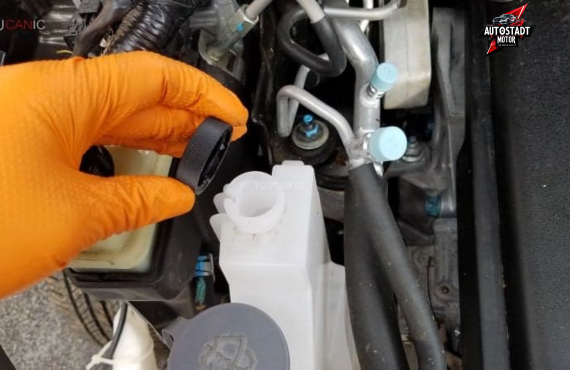
At AutoStadt Motor Services, we approach cooling problems by identifying the actual source of the fault rather than simply topping up coolant. Our technicians inspect the cooling circuit, check for leaks, evaluate temperature-related symptoms, and recommend the appropriate repair based on the condition of the vehicle.
Whether you drive a Nissan Altima, Patrol, Sunny, X-Trail, Pathfinder, or another model, early attention to cooling problems can help protect the engine and prevent unnecessary repair costs.
Signs Your Car Needs Nissan Coolant System Repair
Cooling system problems do not always begin with an obvious overheating warning. In many cases, smaller symptoms appear first. Recognizing them early gives you an opportunity to have the vehicle inspected before the problem becomes more serious.
1. Engine Temperature Is Higher Than Normal
A temperature gauge that consistently moves higher than its usual position deserves attention. If the gauge rises during traffic and returns to normal while driving at higher speeds, the cooling fan, airflow, radiator efficiency, thermostat, or another component may require inspection.
Do not assume that the problem is simply caused by the weather. A properly functioning Nissan cooling system should regulate engine temperature under normal operating conditions.
2. Coolant Level Keeps Dropping
If you regularly need to add coolant, there is likely an underlying reason. Coolant does not normally disappear quickly from a sealed cooling system.
Possible causes include a leaking radiator, damaged hose, loose connection, expansion tank problem, water pump leak, or another cooling-system fault. In some situations, an internal engine problem can also result in coolant loss.
At AutoStadt Motor Services, a coolant level that repeatedly drops is treated as a diagnostic issue rather than simply a refill requirement.
3. Coolant Leaks Under the Vehicle
A puddle beneath your Nissan can indicate a cooling system leak. Depending on the coolant type and condition, the fluid may appear colored or may leave a noticeable residue around the affected area.
However, not every fluid under a vehicle is coolant. This is why proper inspection matters. Technicians can trace the leak to determine whether the radiator, hose, reservoir, water pump, or another component is responsible.
4. Warning Light or Overheating Alert
Modern Nissan vehicles use sensors and electronic systems to monitor engine temperature. A warning light or overheating message should not be ignored.
If an overheating warning appears, continuing to drive may increase the risk of cylinder-head, gasket, or other engine damage. Safely stopping the vehicle and arranging an inspection is generally preferable to continuing a journey with an overheating engine.
5. Cooling Fan Runs Excessively
A radiator cooling fan may operate when additional airflow is required. However, unusual fan behavior can sometimes point toward a temperature sensor issue, fan-control problem, wiring fault, or cooling-system concern.
If the fan runs continuously, operates unusually loudly, or behaves differently from normal, an inspection can help identify the cause.
6. Steam or Unusual Smell From the Engine Bay
Steam from the engine compartment is a serious warning sign. It may occur when coolant escapes onto a hot engine component or when the engine becomes excessively hot.
A sweet or unusual coolant smell can also indicate a leak. Because hot coolant can cause severe burns, never open a hot radiator cap or cooling-system component immediately after an overheating event.
7. Heater Performance Changes
Although Dubai drivers may not frequently depend on cabin heating, changes in heater performance can still provide useful diagnostic information. The vehicle’s cabin heating system uses engine coolant, so unusual temperature behavior can sometimes accompany a cooling-system problem.
When combined with coolant loss or temperature fluctuations, this symptom deserves professional attention.
Why Choose AutoStadt Motor Services for Nissan Coolant System Repair
Choosing the right workshop matters because cooling problems can originate from several connected components. Replacing one part without identifying the underlying issue may not solve the problem.
Diagnostic-Focused Cooling System Inspection
AutoStadt Motor Services focuses on finding the source of the problem. Depending on the symptoms, our inspection can include coolant level and condition, visible leaks, hoses, radiator condition, thermostat operation, cooling fan performance, water pump area, expansion reservoir, and related components.
This approach helps avoid unnecessary parts replacement.
Nissan-Focused Service Approach
Different Nissan models use different cooling-system configurations and components. A Nissan Patrol does not necessarily present the same cooling requirements or common service concerns as a Nissan Sunny or X-Trail.
Our technicians consider the specific model and symptoms before recommending repair work.
Leak Detection Instead of Guesswork
A coolant leak can come from a small hose connection, radiator area, water pump, reservoir, or another point in the system. Finding the exact location is important because simply adding coolant does not fix the leak.
Where appropriate, diagnostic pressure testing and visual inspection can help locate difficult-to-identify leaks.
Quality Replacement Components
When a component requires replacement, using an appropriate-quality part is important for cooling-system reliability. Components such as thermostats, hoses, radiators, water pumps, caps, and reservoirs need to function correctly under engine operating temperatures.
Service for Different Nissan Models
Our workshop can assist Nissan owners with cooling-system concerns across different models and generations. The same diagnostic principle also applies when dealing with cooling problems in vehicles such as Toyota Land Cruiser, BMW X5, Mercedes-Benz E-Class, or Audi Q7: identify the cause first, then repair the affected system correctly.
Suitable for Dubai Driving Conditions
Dubai driving can involve heavy traffic, extended idling, high ambient temperatures, and frequent air-conditioning use. These conditions make proper engine temperature management especially important.
Regular inspections and timely repairs can help prevent minor cooling problems from becoming major engine issues.
How Our Nissan Coolant System Repair Process Works
A structured repair process makes it easier to identify the actual cause instead of treating only the visible symptom.
Initial Vehicle Assessment
The process begins with a discussion of the symptoms. We look at whether the vehicle is losing coolant, overheating, showing warning messages, producing unusual smells, or behaving differently during traffic or longer drives.
The Nissan model, mileage, service history, and recent repairs can also provide useful clues.
Cooling System Inspection
The cooling system is then inspected for visible leaks, damaged hoses, loose connections, radiator concerns, reservoir problems, and other signs of deterioration.
The engine bay is examined carefully because coolant may travel away from the original leak point and make the source difficult to identify.
Pressure and Leak Testing
If a leak is suspected but cannot be located visually, appropriate testing can help identify pressure loss and the affected area.
This is particularly useful when dealing with small or intermittent leaks that may not leave an obvious puddle underneath the vehicle.
Component Testing
Depending on the symptoms, technicians may evaluate the thermostat, radiator airflow, cooling fan operation, water pump condition, temperature-related sensors, and other relevant components.
For example, an overheating Nissan in traffic may require a different diagnosis from one that overheats during highway driving.
Repair or Component Replacement
Once the fault is identified, the affected component can be repaired or replaced as appropriate. This could involve a hose, thermostat, radiator, water pump, reservoir, cap, fan-related component, or another cooling-system part.
The goal is to correct the actual problem rather than repeatedly adding coolant.
Coolant Refill and System Checks
After repairs, the cooling system needs to be filled with the appropriate coolant and checked correctly. Air trapped inside the cooling system can affect circulation and temperature regulation, so proper bleeding or air removal may be necessary depending on the vehicle.
The system is then checked for leaks and abnormal temperature behavior.
Final Inspection
Before the vehicle is returned, the repair should be reviewed to confirm that the original symptoms have been addressed. This provides greater confidence that the cooling system is functioning as intended.
Frequently Asked Questions About Nissan Coolant System Repair in Dubai
1. How do I know if my Nissan has a coolant leak?
A falling coolant level, visible fluid under the vehicle, coolant smell, overheating, or steam from the engine bay can indicate a leak. However, coolant can sometimes escape from a difficult-to-see location, so the absence of a puddle does not necessarily rule out a leak.
If your Nissan repeatedly requires coolant top-ups, it is better to have the cooling system inspected. AutoStadt Motor Services can check the system and identify the likely source before recommending the appropriate repair.
2. Can I continue driving my Nissan if it is overheating?
Driving an overheating vehicle can cause serious engine damage. Excessive engine temperature may affect components such as the cylinder head, head gasket, and other internal engine parts.
If the temperature warning appears or the gauge moves into an abnormal range, safely stopping the vehicle is generally the safer option. Do not remove a radiator cap while the system is hot because pressurized coolant can cause serious burns. Arrange professional Nissan coolant system repair before continuing to use the vehicle.
3. How often should Nissan coolant be checked?
Coolant should be checked as part of routine vehicle maintenance, while the exact inspection and replacement schedule depends on the Nissan model, engine, coolant specification, and manufacturer’s maintenance requirements.
It is particularly important to check the cooling system before long journeys and whenever you notice symptoms such as low coolant, temperature fluctuations, or visible leaks. Regular inspection can identify deteriorating hoses, reservoirs, or other components before they fail.
4. What parts are commonly involved in Nissan coolant system repairs?
A Nissan cooling system contains several components that work together. Depending on the vehicle and fault, repairs may involve the radiator, thermostat, water pump, coolant hoses, expansion reservoir, radiator cap, cooling fan, temperature sensor, or related connections.
The correct repair depends on the diagnosis. Replacing a radiator, for example, would not resolve an unrelated thermostat or water pump problem. That is why a proper inspection is important before approving parts replacement.
5. How much does Nissan coolant system repair cost in Dubai?
The cost varies according to the Nissan model, the failed component, the severity of the leak or cooling problem, and whether additional repairs are required.
A simple hose or connection repair may be considerably different from a radiator or water pump replacement. Diagnostic requirements and replacement-part quality can also affect the final cost.
AutoStadt Motor Services can inspect the vehicle and determine what is actually required before proceeding with the repair. This helps Nissan owners understand the work involved rather than paying for unnecessary replacements.
Conclusion
Nissan coolant system repair should not be delayed when your vehicle shows overheating, coolant loss, temperature fluctuations, leaks, unusual smells, or cooling fan problems. The cooling system plays a vital role in maintaining safe engine temperature, and a small fault can become significantly more expensive if ignored.
For Dubai Nissan owners, timely inspection is especially useful because everyday traffic, high temperatures, and extended periods of idling can put additional demands on the vehicle’s cooling system. Whether the issue involves a radiator, thermostat, water pump, hose, reservoir, fan, or another component, accurate diagnosis is the first step toward a reliable repair.
AutoStadt Motor Services provides professional cooling-system inspection and repair for Nissan vehicles in Dubai, with a focus on identifying the underlying problem and carrying out the appropriate service. If your Nissan is losing coolant or showing signs of overheating, arranging an inspection early can help protect the engine and keep your vehicle dependable on Dubai roads.


Leave a Comment