
Lotus heating repair is essential when your vehicle’s cabin heating system fails to provide comfortable temperatures or stops functioning correctly. Although Dubai is known for its hot climate, a properly working car heating system remains important for temperature control, window defogging and overall driving comfort. Whether you drive a Lotus Elise, Exige, Evora or Emira, maintaining the heating system helps ensure that all climate control functions operate as intended.
A vehicle’s heating system works alongside several components of the engine cooling system. It generally uses heat from the engine coolant, which passes through a heater core to warm the air entering the cabin. The blower motor then circulates this heated air through the dashboard vents. If any component develops a fault, the system may produce insufficient heat, inconsistent airflow or unpleasant smells.
Dubai’s driving conditions can also contribute to heating system problems. Regular exposure to high temperatures, heavy traffic and continuous use of the cooling system can affect hoses, coolant connections, valves and other related components. Furthermore, a coolant leak or restricted heater core can affect both cabin heating and engine cooling performance.
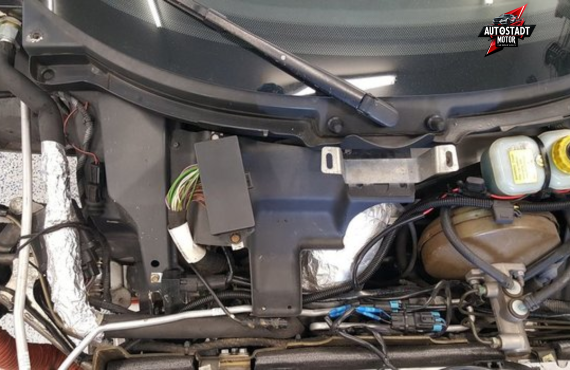
At AutoStadt Motor Services, we provide professional automotive inspection, heating system diagnostics and repair solutions for different vehicle brands. Our approach focuses on identifying the actual cause of heating problems and recommending suitable repairs according to the vehicle’s condition.
If your Lotus heater is blowing cold air, producing unusual smells or showing signs of coolant leakage, professional inspection can help restore its heating performance and prevent additional problems.
Signs Your Car Needs Lotus Heating Repair
Heating system problems can develop gradually or appear suddenly depending on the condition of the components involved. Recognising the warning signs early can help Lotus owners arrange appropriate repairs before minor faults affect other vehicle systems.
1. Heater Blowing Cold Air Instead of Warm Air
One of the most common reasons for requesting Lotus heating repair is when the heater blows cold air even after the engine reaches its normal operating temperature.
This problem can occur because of low coolant levels, a restricted heater core, a malfunctioning thermostat or a faulty heater control valve. In some vehicles, problems with the climate control system can also prevent heated air from reaching the cabin.
If your Lotus heating system fails to produce warm air, the coolant circulation and heating components should be inspected. Simply increasing the temperature setting may not solve the underlying mechanical problem.
2. Weak Airflow From Heating Vents
Another common symptom is reduced airflow from the dashboard vents. You may notice that the heating system produces warm air, but the amount of air entering the cabin is unusually low.
This can happen because of a damaged blower motor, blocked cabin air filter, restricted ventilation ducts or electrical problems affecting the fan speed.
A properly functioning blower motor is essential because it circulates air through the heater core and distributes it throughout the cabin. If airflow becomes weak, professional inspection can help determine whether the problem involves the motor, filter or ventilation system.
3. Unusual Smell When Using the Heater
An unusual sweet smell inside your Lotus cabin may indicate a coolant leak involving the heater core or its connections.
Coolant has a distinctive smell, and leakage inside the heating system may also create mist or oily residue on the windscreen.
Ignoring this warning sign can lead to coolant loss, damp carpets and potentially more serious engine cooling problems. Therefore, if you notice an unusual smell whenever the heater is operating, arrange a professional inspection.
4. Coolant Leakage Around the Vehicle
The heating system depends on proper coolant circulation. If coolant hoses, connections, the heater core or other cooling system components develop leaks, the heating performance may become inconsistent.
You might notice coolant collecting underneath the vehicle, a falling coolant reservoir level or visible residue around cooling system connections.
Although some leaks may originate outside the heating circuit, the complete cooling system should be checked to identify the source.
AutoStadt Motor Services can inspect relevant components and recommend suitable repairs to help restore proper coolant circulation.
5. Engine Temperature Fluctuations
A faulty thermostat, low coolant level or restricted coolant circulation can affect both engine temperature and cabin heating.
For example, if the thermostat remains stuck open, the engine may take longer than normal to reach its operating temperature, resulting in insufficient cabin heat.
Alternatively, low coolant levels or circulation problems can cause overheating and inconsistent heater performance.
Because engine temperature problems can become serious, any overheating warning should be addressed immediately. Stop driving when it is unsafe to continue and arrange professional assistance.
6. Heater Takes Too Long to Produce Warm Air
If your Lotus heater takes significantly longer than usual to produce warm air, there may be a problem with coolant circulation or temperature regulation.
A malfunctioning thermostat, incorrect coolant level or restricted heater core can prevent the system from reaching its normal operating performance.
A technician can inspect the cooling system and climate control components to determine why the heating response has changed.
7. Windscreen Defogging Problems
Your vehicle’s heating and ventilation system also plays an important role in maintaining visibility.
When the heating or climate control system is not working properly, removing condensation from the windscreen may become difficult, particularly during humid weather or cooler conditions.
If your Lotus struggles to clear fog from the windows, the heater, blower motor, air conditioning and ventilation controls should be inspected.
Why Choose AutoStadt Motor Services for Lotus Heating Repair?
Choosing the right garage is important when maintaining a premium vehicle. Lotus models are engineered with specific cooling, heating and climate control configurations that require appropriate inspection procedures and compatible replacement components.
AutoStadt Motor Services provides automotive repair and maintenance solutions designed to help Dubai drivers maintain vehicle performance and reliability.
Experienced Automotive Heating System Technicians
Proper heating repair requires an understanding of how the engine cooling system and cabin climate controls work together.
Our technicians focus on identifying the actual source of heating problems instead of relying on assumptions. Whether the issue involves coolant circulation, a heater core, thermostat or blower motor, the inspection process is designed to identify the components that require attention.
This approach helps reduce unnecessary repairs and supports more effective maintenance.
Complete Heating System Inspection
A heating problem may involve several interconnected components. Therefore, inspecting only the dashboard vents may not provide enough information to identify the underlying fault.
At AutoStadt Motor Services, our inspection may include the heater core, coolant hoses, thermostat, coolant reservoir, heater control valve, blower motor, cabin air filter and climate control connections.
We also consider the condition of the engine cooling system because problems with coolant circulation can directly affect cabin heating.
Suitable Repair Solutions for Different Lotus Models
Every Lotus model has its own engineering characteristics and maintenance requirements. A Lotus Elise, Exige, Evora and Emira may have different component layouts and heating system configurations.
Using suitable replacement parts and following the correct repair procedures is important for maintaining system performance.
Our team considers the vehicle model and diagnosed fault before recommending repair or replacement options.
Diagnostic Approach for Accurate Fault Identification
Modern vehicles often use electronic climate control systems, temperature sensors and electronically operated valves.
When these components malfunction, the heating system may behave unpredictably.
Depending on the vehicle, our technicians may use diagnostic equipment alongside physical inspection to investigate electrical faults, sensor problems and climate control issues.
This helps identify faults that may not be visible during a basic visual inspection.
Transparent Repair Recommendations
At AutoStadt Motor Services, we believe vehicle owners should understand the reason behind every recommended repair.
Our approach focuses on explaining the identified problem, discussing suitable repair options and recommending component replacement when necessary.
Whether your Lotus needs heater core repair, thermostat replacement, coolant leak repair or blower motor servicing, our objective is to provide an appropriate solution based on the vehicle’s actual condition.
How Our Lotus Heating Repair Process Works
A systematic repair process helps ensure that the heating system is inspected properly and that the original problem is addressed.
At AutoStadt Motor Services, we follow a structured approach to diagnosing and repairing automotive heating problems.
Step 1: Initial Heating System Assessment
The process begins by understanding the symptoms experienced by the vehicle owner.
Our technicians may ask whether the heater blows cold air, produces weak airflow, takes too long to warm the cabin or creates an unusual smell.
We then operate the heating controls and assess the system’s general performance. This initial evaluation helps determine which components require further investigation.
Step 2: Coolant Level and Circulation Inspection
Since most conventional vehicle heating systems use engine coolant to generate cabin heat, checking the cooling system is an important part of diagnosis.
Our technicians inspect the coolant reservoir, hoses, connections and other relevant components for leakage or visible damage.
The coolant circulation and engine operating temperature are also considered to identify potential thermostat or circulation problems.
The cooling system must be checked safely, with appropriate precautions taken before opening any pressurised components.
Step 3: Heater Core and Control Valve Diagnosis
The heater core transfers heat from the engine coolant to the air entering the cabin. If it becomes restricted or develops a leak, the heating system may stop working correctly.
Our technicians inspect the heater core and its connections for possible leakage, restricted circulation or other signs of damage.
Where fitted, the heater control valve is also checked to determine whether coolant is reaching the heater core as intended.
Step 4: Blower Motor and Electrical Inspection
Even when the heater core is producing sufficient heat, a faulty blower motor can prevent warm air from circulating throughout the cabin.
Therefore, the fan operation, speed settings, electrical connections and relevant control components are inspected.
If necessary, diagnostic equipment may be used to investigate electrical faults or malfunctioning climate control sensors.
Step 5: Heating System Repair or Component Replacement
Once the source of the problem has been identified, our technicians recommend the required repair work.
Depending on the diagnosis, this may involve heater core repair or replacement, thermostat replacement, coolant hose repair, heater valve servicing, blower motor replacement or electrical troubleshooting.
If a component cannot be repaired reliably, replacement with a suitable compatible part may be recommended.
Step 6: Coolant Refilling and System Testing
After completing the necessary repairs, the cooling system may require refilling and bleeding according to the manufacturer’s specified procedure.
Using the correct coolant specification is important because unsuitable coolant can affect corrosion protection and cooling system performance.
The engine is then operated under appropriate conditions while technicians monitor temperature behaviour, coolant circulation and cabin heating performance.
Step 7: Final Inspection and Performance Verification
Before returning the vehicle, the heating system receives a final inspection.
Our technicians check whether warm air reaches the cabin, whether the blower operates correctly and whether the original symptoms have been addressed.
The cooling system is also checked for visible leakage and abnormal temperature behaviour.
This final verification helps ensure that the repair has addressed the diagnosed problem rather than simply improving one temporary symptom.
Important Heating System Maintenance Tips for Lotus Owners in Dubai
Although heating systems may not receive as much attention in Dubai as air conditioning systems, they remain an important part of vehicle maintenance.
Regular inspection can help prevent coolant-related problems and maintain reliable climate control throughout the year.
Maintain the Correct Coolant Level
Coolant plays an important role in both engine temperature regulation and cabin heating. Check the coolant reservoir according to the manufacturer’s instructions and arrange an inspection if the level repeatedly decreases.
Never ignore unexplained coolant loss because it may indicate leakage within the cooling or heating system.
Inspect Hoses and Cooling Connections
Rubber hoses and cooling system connections can deteriorate over time because of heat exposure and ageing. Regular inspection can help identify cracks, swelling and leakage before they cause significant coolant loss.
Replace the Cabin Air Filter When Required
A dirty cabin air filter can restrict airflow through the ventilation system. Replacing it according to the manufacturer’s maintenance recommendations helps maintain proper air circulation.
Pay Attention to Temperature Changes
If your engine takes unusually long to reach its normal operating temperature or begins overheating, arrange a cooling system inspection.
These symptoms may indicate a thermostat problem, coolant circulation issue or another mechanical fault that can also affect cabin heating.
Arrange Professional Heating System Inspections
Regular vehicle maintenance should include checking the heating and cooling systems, even if the heater is not frequently used.
This helps identify potential problems before they develop into more expensive repairs.
Frequently Asked Questions About Lotus Heating Repair in Dubai
1. Why Is My Lotus Heater Blowing Cold Air?
Your Lotus heater may blow cold air because of low coolant levels, a restricted heater core, a faulty thermostat or a malfunctioning heater control valve. In some cases, an electrical issue involving the climate control system may also prevent proper heating.
The correct solution depends on the underlying problem. AutoStadt Motor Services can inspect the coolant circulation, heater core and related components to identify the cause and recommend appropriate repairs.
2. How Much Does Lotus Heating Repair Cost in Dubai?
The cost of Lotus heating repair in Dubai depends on the vehicle model, the type of fault, replacement part availability and the amount of labour involved.
For example, resolving a coolant hose leak may require considerably different work compared with replacing a heater core or blower motor. Electrical faults and climate control problems can also influence repair costs.
A proper inspection is necessary before providing an accurate estimate. AutoStadt Motor Services can assess your vehicle and recommend suitable repair options according to its condition.
3. Can a Faulty Thermostat Affect My Lotus Heating System?
Yes, a faulty thermostat can directly affect cabin heating performance. The thermostat regulates coolant circulation according to engine temperature.
If it becomes stuck open, the engine may take longer to warm up, which can result in insufficient cabin heat. If it remains closed, the engine may overheat because coolant circulation through the radiator is restricted.
Since thermostat problems can affect engine cooling as well as cabin comfort, timely inspection and replacement are important.
4. What Causes a Sweet Smell Inside My Lotus When the Heater Is On?
A sweet smell inside the cabin may indicate a coolant leak, particularly from the heater core or its connecting hoses.
You might also notice fogging on the windscreen, damp carpets or a gradual reduction in coolant level.
This problem should not be ignored because coolant leakage can affect engine cooling performance and may damage interior components. Arrange a professional inspection to identify the leakage source and determine whether heater core repair or replacement is necessary.
5. Where Can I Get Professional Lotus Heating Repair in Dubai?
If you are looking for professional Lotus heating repair in Dubai, AutoStadt Motor Services offers automotive inspection, heating system diagnostics and related repair solutions.
Our technicians can investigate problems involving heater cores, coolant circulation, thermostats, blower motors, control valves and cooling system connections.
Whether you own a Lotus Elise, Exige, Evora or Emira, our team can help identify heating system problems and recommend suitable maintenance or repair options.
Contact AutoStadt Motor Services to discuss your vehicle’s heating concerns and arrange a professional inspection.
Conclusion
A properly functioning heating system is important for maintaining cabin comfort, effective window defogging and reliable climate control in your Lotus. Although heating problems may initially appear minor, issues involving coolant circulation, heater cores, thermostats and blower motors can affect other vehicle systems if left unresolved.
For professional Lotus heating repair in Dubai, AutoStadt Motor Services provides automotive diagnostics, heating system inspection and repair solutions tailored to different vehicle requirements.
Our approach focuses on identifying the underlying cause of heating problems and recommending appropriate repairs rather than relying on temporary solutions. Whether your Lotus is experiencing weak airflow, cold air from the heater, coolant leakage or inconsistent cabin temperatures, timely professional inspection can help restore reliable performance.
Keep your Lotus heating and cooling systems in proper working condition with professional automotive care from AutoStadt Motor Services.


Leave a Comment