
Range Rover Coolant Leak Repair is an important service for Dubai drivers because a cooling-system problem can quickly turn into serious engine damage, particularly in the UAE’s extreme heat. Range Rover models are engineered for performance, comfort, and off-road capability, but their sophisticated cooling systems require accurate diagnosis and timely maintenance to remain reliable.
A coolant leak may begin as a small puddle beneath the vehicle or a gradual drop in the coolant reservoir level. However, ignoring these early warning signs can allow the engine to overheat. Continued driving with insufficient coolant may damage components such as the radiator, water pump, thermostat, hoses, head gasket, and other engine parts.
At AutoStadt Motor Services, we provide professional Range Rover Coolant Leak Repair in Dubai with a focus on accurate diagnosis, quality replacement parts, and dependable workmanship. Our technicians inspect the complete cooling system rather than simply replacing the component that appears to be leaking.
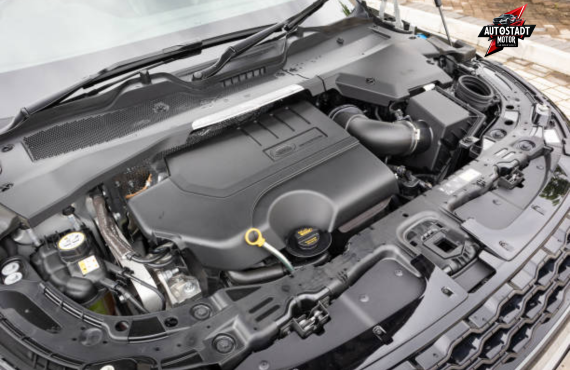
Whether you drive a Range Rover Sport, Range Rover Vogue, Range Rover Velar, or another Land Rover model, identifying the source of a coolant leak early can help prevent an expensive breakdown. Moreover, regular cooling-system inspections are particularly valuable in Dubai, where high ambient temperatures can place additional demands on an engine’s thermal management system.
Signs Your Car Needs Range Rover Coolant Leak Repair
Recognizing the symptoms of a coolant leak can help you arrange a professional inspection before the problem becomes more severe. Although the signs can vary depending on the location and size of the leak, several symptoms are relatively common.
1. Coolant Puddle Under Your Range Rover
One of the clearest indications of a cooling-system problem is fluid underneath the vehicle after parking. Coolant may appear green, pink, orange, yellow, or another color depending on the coolant specification used.
However, not every liquid under a vehicle is coolant. Air-conditioning condensation, engine oil, and other fluids can also create puddles. Therefore, it is better to have the fluid professionally identified instead of assuming the source.
2. Low Coolant Level
If you regularly need to add coolant to the expansion tank, there may be an underlying leak. A healthy cooling system should not continuously lose coolant under normal operating conditions.
Repeatedly topping up coolant without identifying the cause is not a proper repair. The leak could be coming from a hose, radiator, water pump, thermostat housing, expansion tank, or another connection.
3. Engine Temperature Rising
A temperature gauge that rises beyond its normal operating range should never be ignored. A significant coolant leak can reduce the amount of coolant circulating through the engine, preventing the cooling system from controlling engine temperature effectively.
In Dubai, this issue can become particularly serious during hot weather and heavy traffic because the engine is already operating under demanding environmental conditions.
4. Coolant Warning Message
Modern Range Rover vehicles use sensors and electronic monitoring systems to identify cooling-system abnormalities. Depending on the model and fault, the dashboard may display a coolant-level, temperature, or engine-related warning.
When such a warning appears, professional diagnosis is recommended rather than simply clearing the warning message.
5. Sweet Smell Around the Engine
Coolant can produce a distinctive sweet smell. If you notice this smell around the engine bay or after parking the vehicle, it may indicate that coolant is escaping from the system.
A leak can sometimes be difficult to see because coolant may reach a hot engine component and evaporate before leaving a visible puddle.
6. Steam or Visible Vapour
Steam from the engine bay can indicate that coolant is leaking onto a hot component or that the engine is overheating. This should be treated as a serious warning.
If your Range Rover is overheating or producing significant steam, continuing to drive may increase the risk of engine damage. Stop in a safe location and arrange professional assistance.
7. Heater Performance Changes
The cabin heating system relies on hot engine coolant circulating through the heater core. If coolant levels become too low, the heater may not operate normally.
Although heater problems can have several causes, an unexpected change combined with coolant loss deserves a cooling-system inspection.
Common Causes of Range Rover Coolant Leaks
Understanding the possible causes helps explain why professional diagnosis is important. A coolant leak is a symptom rather than a specific component failure.
A damaged radiator is one possibility. Radiators can develop leaks because of age, corrosion, physical damage, failed seals, or problems around connecting points.
Coolant hoses are another common area requiring inspection. Over time, rubber hoses can become brittle, cracked, swollen, or weakened. A loose or damaged connection can also allow coolant to escape.
The water pump is particularly important because it circulates coolant through the engine and cooling system. A failing water pump may develop a leak around its seal or housing while also causing poor coolant circulation.
A thermostat or thermostat housing can also be responsible. If the housing develops a crack or its seal fails, coolant may escape from the cooling system.
The expansion tank and cap should not be overlooked either. A damaged reservoir or faulty sealing mechanism can result in coolant loss and pressure-related problems.
For this reason, AutoStadt Motor Services examines the entire cooling system when performing Range Rover Coolant Leak Repair, helping ensure that the actual source of the problem is identified.
Why Choose AutoStadt Motor Services for Range Rover Coolant Leak Repair
Choosing the right workshop matters when dealing with a luxury SUV such as a Range Rover. Cooling-system repairs require more than simply replacing a hose and refilling the reservoir.
Experienced Cooling-System Diagnosis
At AutoStadt Motor Services, our technicians approach coolant leaks systematically. We inspect visible components and use appropriate diagnostic procedures to identify where coolant is escaping.
Depending on the symptoms, the inspection may include checking hoses, radiator connections, water pump areas, thermostat components, expansion tanks, seals, and other cooling-system components.
Professional Diagnostic Approach
A coolant leak can sometimes originate in an area that is difficult to identify during a basic visual inspection. Pressure testing and other suitable diagnostic techniques can help locate leaks that may not be obvious while the engine is cold.
Accurate diagnosis can save customers money because it reduces the risk of replacing unrelated parts.
Quality Replacement Components
A successful repair depends on using suitable replacement components. At AutoStadt Motor Services, we focus on selecting parts appropriate for the specific Range Rover model and repair requirement.
The correct coolant specification is equally important. Different vehicles and cooling systems can require specific coolant types, mixtures, and specifications. Using an unsuitable fluid may negatively affect cooling-system performance.
Dubai-Focused Automotive Expertise
Dubai’s climate makes cooling-system maintenance especially important. High temperatures, extended traffic periods, and frequent use of air conditioning can increase the thermal demands placed on a vehicle.
Whether you own a Range Rover or another premium vehicle such as a BMW X5, Mercedes-Benz GLE, Toyota Land Cruiser, or Nissan Patrol, maintaining the cooling system is an important part of protecting engine reliability.
Transparent Repair Recommendations
At AutoStadt Motor Services, the objective is not simply to replace parts. We aim to explain the diagnosed issue, recommended repair, and potential consequences of delaying the work so that customers can make informed decisions.
How Our Range Rover Coolant Leak Repair Process Works
Step 1: Initial Vehicle Inspection
The process begins with an inspection of your Range Rover and a discussion about the symptoms you have noticed. Information such as coolant loss, overheating, warning messages, unusual smells, or visible leaks can help technicians narrow down potential causes.
Step 2: Cooling-System Diagnosis
Our technicians inspect the cooling system and relevant engine components. Depending on the symptoms, diagnostic equipment and cooling-system testing may be used to locate hidden or intermittent leaks.
This stage is important because coolant can travel away from its original leakage point before becoming visible.
Step 3: Identify the Failed Component
Once the leak is located, the technician determines which component requires repair or replacement. The problem could involve a hose, radiator, water pump, thermostat housing, expansion tank, seal, or another cooling-system component.
Step 4: Component Replacement or Repair
The damaged component is repaired or replaced according to the vehicle’s requirements. Proper installation is essential because even a small sealing problem can allow coolant to escape again.
Step 5: Coolant Refill
After the repair, the cooling system is refilled with the appropriate coolant mixture. The correct coolant level and specification are important for maintaining effective heat transfer and corrosion protection.
Step 6: System Testing
The vehicle is checked after the repair to ensure the cooling system is operating correctly. Technicians look for signs of continued leakage, verify coolant circulation, and monitor engine temperature where appropriate.
Step 7: Final Inspection
Before returning the vehicle, the repair area and surrounding components are inspected. This final step helps ensure that the original coolant leak has been addressed and that no obvious related issue has been overlooked.
Frequently Asked Questions About Range Rover Coolant Leak Repair in Dubai
1. How much does Range Rover Coolant Leak Repair cost in Dubai?
The cost depends on the source of the leak and the specific Range Rover model. A leaking hose or seal may require a relatively straightforward repair, while a damaged radiator, water pump, thermostat housing, or another major component can involve more labor and parts.
The best way to obtain an accurate estimate is to have the vehicle inspected first. At AutoStadt Motor Services, diagnosis helps determine the actual repair requirement rather than providing an unreliable price based only on symptoms.
2. Can I drive my Range Rover with a coolant leak?
It is generally not advisable to continue driving with an active coolant leak, particularly if the coolant level is dropping quickly or the engine temperature is increasing.
A vehicle can potentially overheat when there is insufficient coolant. Severe overheating may cause expensive engine damage, making an early repair much more economical than dealing with the consequences of continued driving.
If your Range Rover shows an overheating warning, produces steam, or loses coolant rapidly, stop driving when it is safe to do so and seek professional assistance.
3. Why does my Range Rover keep losing coolant but have no visible leak?
A small or intermittent leak may not create an obvious puddle. Coolant can escape from a pressurized system and evaporate when it reaches hot engine components. Some leaks may also occur only when the engine reaches operating temperature.
A faulty water pump seal, radiator connection, hose, thermostat housing, or expansion tank can therefore lose coolant without producing an obvious pool underneath the vehicle.
Professional cooling-system testing can help locate these harder-to-find leaks.
4. How often should I check the coolant in my Range Rover in Dubai?
You should follow the maintenance recommendations for your specific Range Rover model and regularly monitor the coolant level as part of general vehicle care.
Dubai’s hot climate makes it sensible to pay close attention to cooling-system symptoms. If you notice a falling coolant level, unusual engine temperature, warning message, coolant smell, or visible leakage, arrange an inspection rather than waiting for the next scheduled service.
Regular inspections can help identify worn hoses, aging seals, radiator issues, and other potential problems before they develop into major failures.
5. Can a coolant leak cause serious engine damage?
Yes. A significant or untreated coolant leak can reduce the cooling system’s ability to control engine temperature. If the engine overheats severely, components such as the head gasket and other internal engine parts may be affected.
That is why Range Rover Coolant Leak Repair should be treated as a priority rather than a minor cosmetic issue. Prompt diagnosis can help prevent a relatively manageable cooling-system repair from becoming a major engine repair.
Conclusion
Range Rover Coolant Leak Repair is essential for maintaining dependable performance and protecting your SUV’s engine, particularly in Dubai’s demanding climate. A small coolant leak can develop into overheating, breakdowns, and costly engine damage if it is ignored.
Warning signs such as low coolant levels, visible fluid, unusual smells, rising engine temperature, dashboard warnings, steam, or changing heater performance should be investigated promptly.
AutoStadt Motor Services provides professional Range Rover Coolant Leak Repair in Dubai with a diagnostic-first approach. From identifying hidden leaks to replacing damaged cooling-system components and testing the vehicle afterward, our goal is to provide a reliable repair rather than a temporary solution.
If your Range Rover is losing coolant or showing signs of a cooling-system problem, arranging an inspection early can help protect the engine, reduce unexpected repair costs, and keep your vehicle ready for Dubai’s roads.


Leave a Comment