
D-shaped anti-roll-bar bushes locate the stabiliser bar and reduce movement and noise. Worn bushes can contribute to squeaks or knocks, but need to be differentiated from link rods and suspension mounts.
When to consider this service
Drivers may report light rattles over bumps or noise during body movement. A road-test symptom is not enough on its own to identify the failed part.

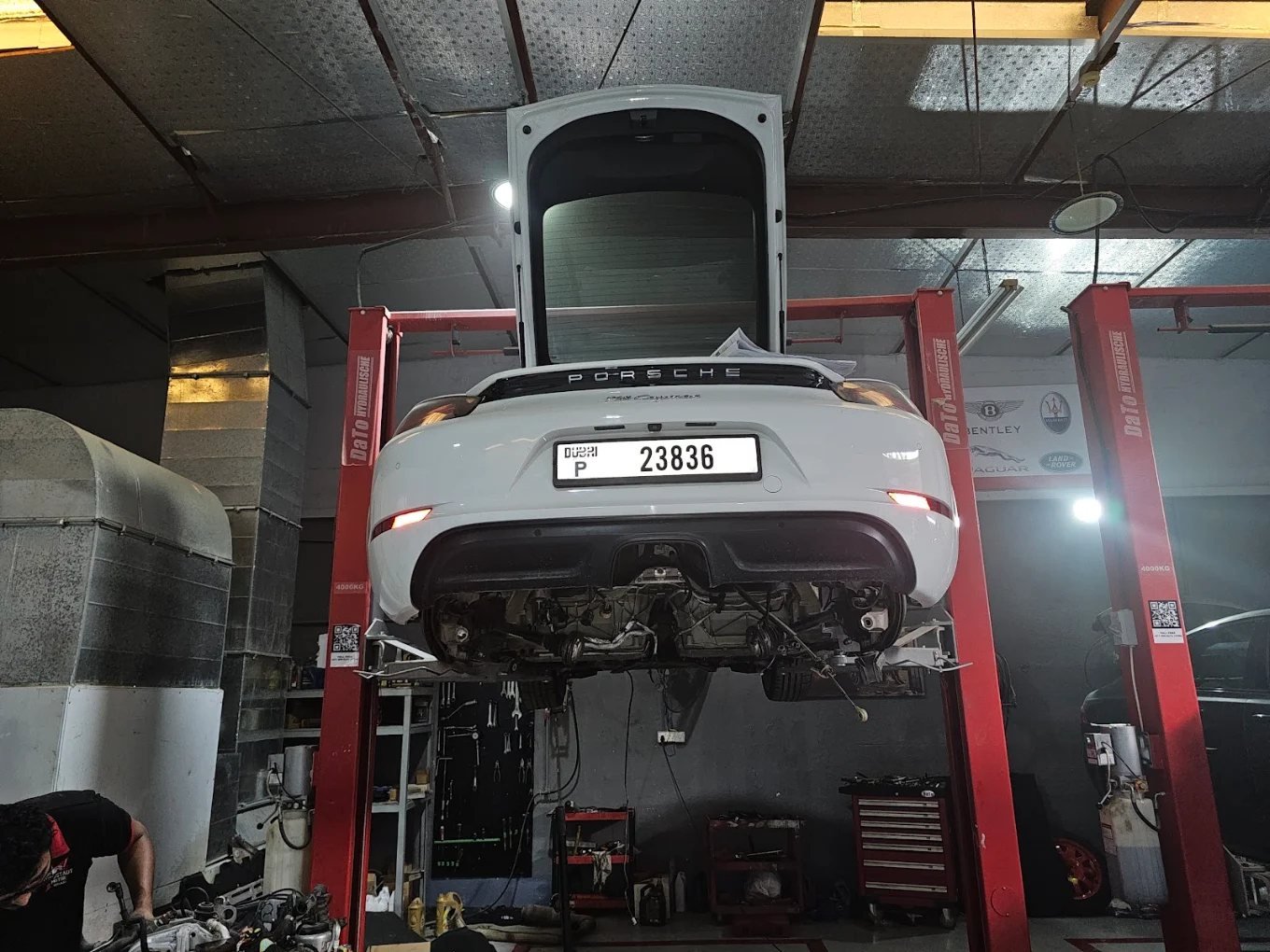
How a professional workshop assesses the issue
The workshop checks stabiliser-bar bush play, mounting brackets, link rods and nearby suspension parts. Bush material, diameter and bracket design must match the model.
Important decisions and next steps
After replacement, the correct fitment and remaining suspension condition should be checked. An alignment is considered when additional suspension geometry work has occurred.
Further information
A common confusion with stabiliser links
A D-bush clamps around the anti-roll bar; a link rod attaches the bar to another suspension component. Both can produce noise, but changing the wrong one wastes time and does not fix the problem. A complete underbody inspection is the practical starting point.
What is checked after replacement
Mounting brackets and nearby joints should be inspected, and the correct bush diameter selected. Road testing, where safe, helps determine whether the original rattling or squeaking complaint has improved.
Frequently asked questions
Are D-bushes the same as link rods?+
No. Bushes support the anti-roll bar while link rods connect it to suspension components.
Can worn D-bushes create knocking sounds?+
They can, but noise may come from other suspension joints.
Do both sides need replacement?+
Often bushes are inspected as a pair; the appropriate scope depends on wear and design.