
Suspension bushings isolate vibration and allow controlled movement. Worn or cracked bushings may cause knocking, vague steering and tyre-wear issues, but the exact failed part must be confirmed.
When to consider this service
Drivers may report clunks over bumps, uneven handling or a wandering feeling under braking. Ball joints, tyres, mounts and alignment can create similar symptoms.
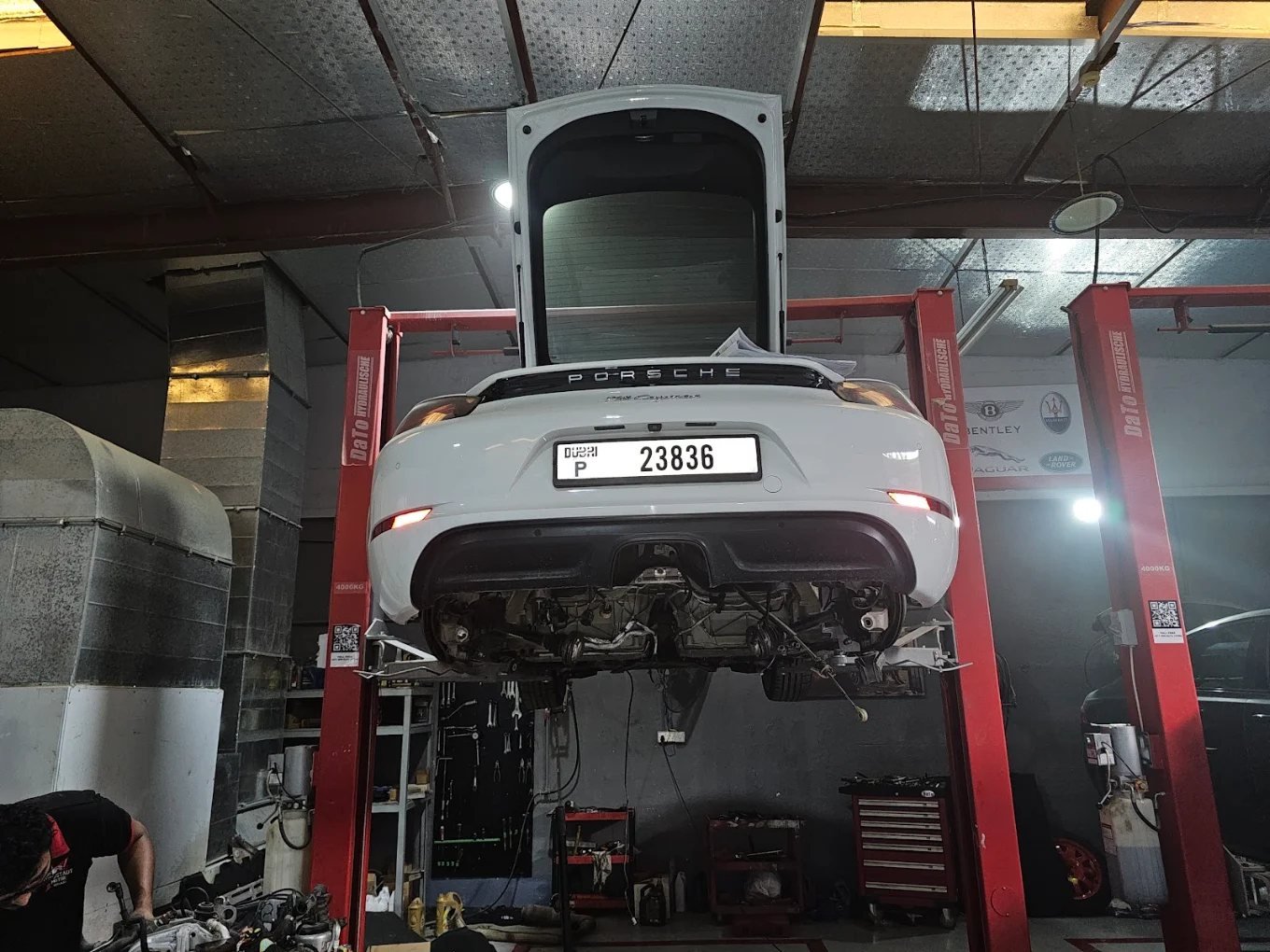

How a professional workshop assesses the issue
Workshop inspection checks visible cracking, unwanted movement, nearby control arms and the complete suspension layout. Some bushings require dedicated press tools or full-arm replacement depending on manufacturer design.
Important decisions and next steps
After repairs, tightening at appropriate suspension position and alignment review are important where specified. Avoid guessing a bushing from a sound alone.
Further information
Differences between rubber and hydraulic bushes
Some vehicles use simple rubber bushes while others have fluid-filled mounts or more complicated arrangements. A failed hydraulic bushing can leak and change suspension movement. Correct fitment matters for ride comfort and handling; choosing a replacement on appearance alone may not be enough.
Why an alignment check may matter
If control arms or other alignment-critical parts are removed during repair, geometry should be reviewed using appropriate specifications. Drivers should mention abnormal tyre wear or a steering wheel that no longer sits straight so these issues can be investigated at the same time.
Frequently asked questions
Are all suspension bushings the same?+
No. Each location, material and design has a specific function.
Can a worn bushing cause tyre wear?+
It can affect wheel control, but alignment and tyre condition also matter.
Do I need to replace the entire control arm?+
Some designs use replaceable bushings; others require an assembly. The technician should confirm.