
A suspected fuel leak is a fire risk. Do not drive, smoke, use open flames or attempt a roadside temporary seal near leaking fuel. Prioritize safe recovery and qualified inspection.
When to consider this service
Possible signs include a strong fuel smell, visible wet patches or unexplained fuel loss. A leak may come from the tank, filler neck, pump seal, lines or injectors rather than the tank itself.
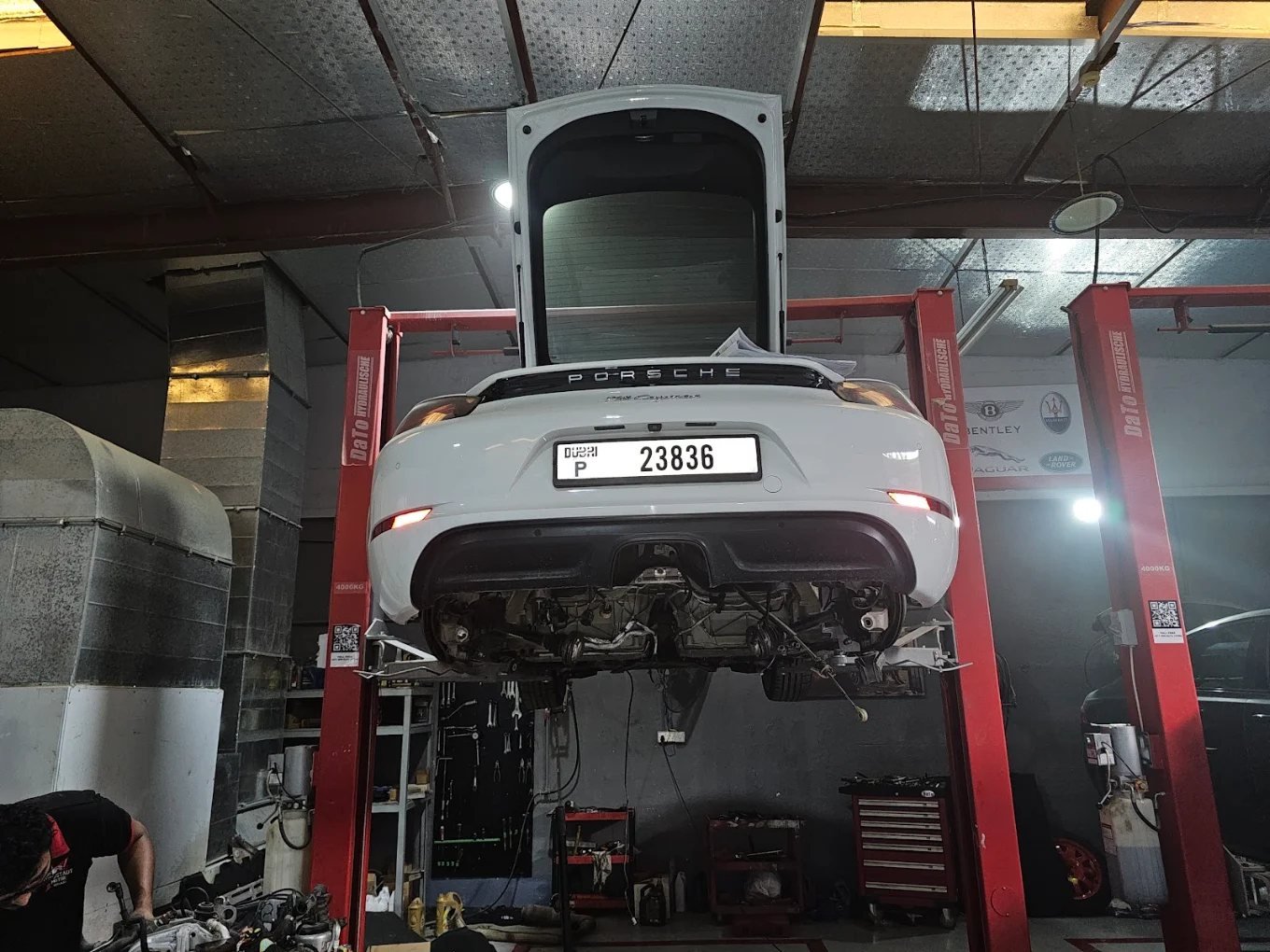

How a professional workshop assesses the issue
The workshop needs to identify the source safely, inspect related hoses and fittings and determine whether an approved component replacement is required. Material and system design dictate the correct repair method.
Important decisions and next steps
Fuel-system work should follow appropriate handling procedures. This guide is informational and not a DIY repair instruction.
Further information
Typical sources of fuel smells
A smell near the rear of the vehicle can come from the filler neck, cap seal, pump cover or fuel lines as well as the tank. Location, weather and whether the smell occurs after refuelling may help a technician narrow down the source, but never replace a component solely from odour.
Safe next steps
Stop the car somewhere safe, switch it off and avoid ignition sources. Arrange professional assistance if there is a suspected leak. A workshop needs to identify the exact component and use approved methods to repair or replace it. This page does not provide home fuel-system repair instructions.
Frequently asked questions
Can I use sealant on a leaking fuel tank?+
Do not rely on an improvised seal. Fuel leaks require professional assessment.
Should I drive if I smell fuel strongly?+
No. Stop in a safe place away from ignition sources and arrange assistance.
Is every fuel leak from the tank?+
No. Hoses, filler connections and pump seals may also leak.