
Automotive wiring faults can interrupt sensors, lights, charging and control-module communication. Accurate circuit testing is usually more effective than replacing parts based only on a warning light.
When to consider this service
Intermittent electrical failures, dead accessories, repeated blown fuses or moisture-related faults may indicate wiring damage, but batteries and electronic modules should also be checked.

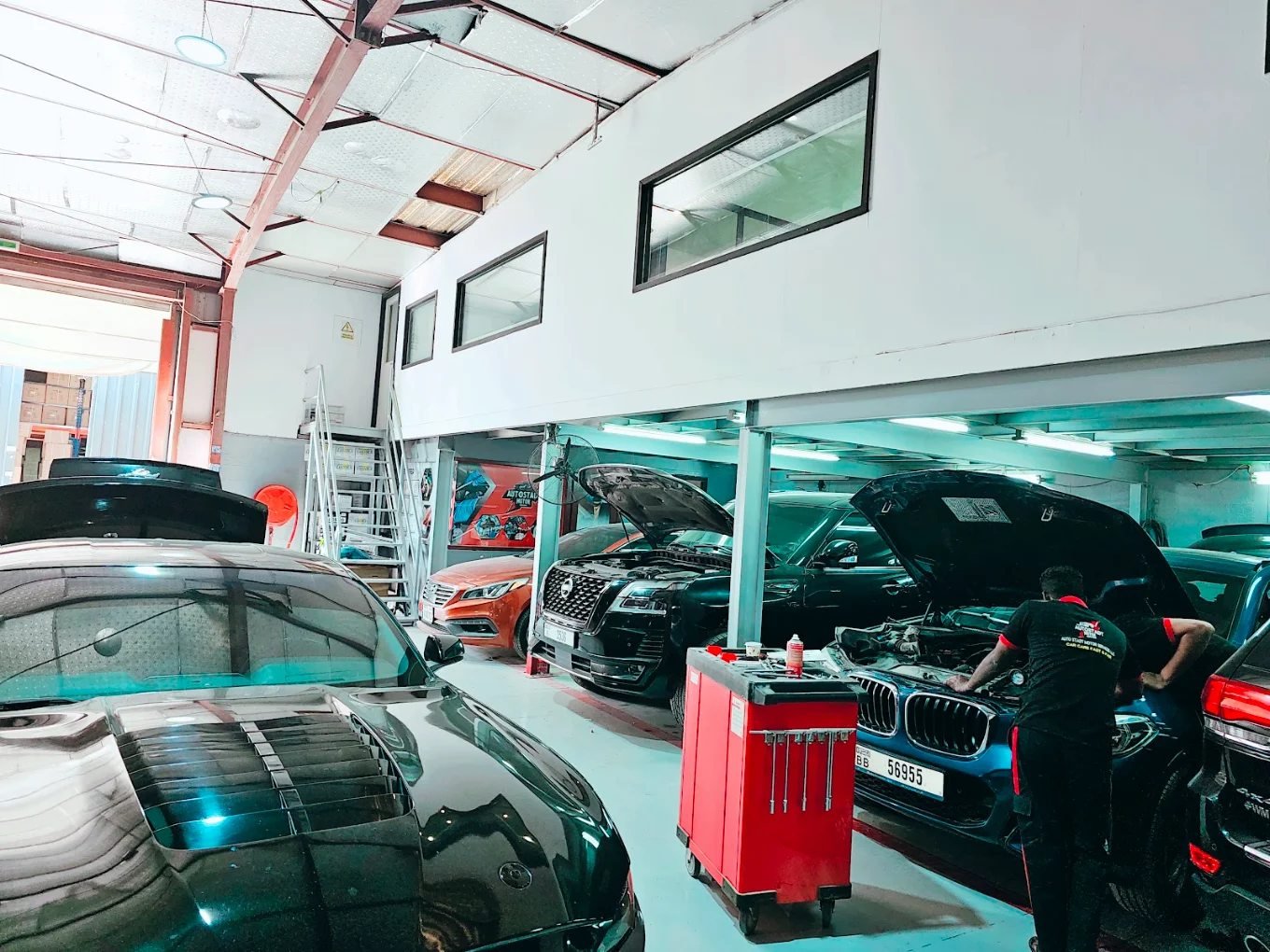
How a professional workshop assesses the issue
A qualified inspection follows wiring diagrams, power and ground circuits, connectors, fuses and continuity. Correct wire gauge, protection and safe routing matter when repairs are necessary.
Important decisions and next steps
Avoid temporary twisting or exposed joints in critical circuits. Electrical work around airbags, high-voltage systems and fuel components requires the appropriate specialist precautions.
Further information
Why accurate wiring diagrams matter
Modern vehicles use shared power supplies and data networks, so one open wire or corroded earth can cause apparently unrelated failures. Measuring continuity, voltage drop and circuit load against correct diagrams reduces unnecessary parts replacement.
Repair quality and future reliability
A good wiring repair protects against heat, vibration and moisture and leaves the harness properly supported. Ask whether nearby connectors, seals and previous accessory installations were checked. High-voltage hybrid/EV circuits and airbag wiring need suitably trained specialists and approved procedures.
Frequently asked questions
Does a repeated blown fuse mean the wiring is faulty?+
It may indicate a short or overloaded component; diagnosis is needed.
Can damaged sensor wiring cause engine warnings?+
Yes. Broken power, ground or signal circuits can affect readings.
Can you fix an intermittent electrical fault?+
An inspection can narrow down possible causes using symptom history and circuit tests.