
Brake drum resurfacing may be possible only when the drum remains within its manufacturer service diameter and has no dangerous cracks or heat damage. Proper assessment is essential before machining.
When to consider this service
Drivers may notice a pulsating pedal, scraping, reduced braking efficiency or noise from a drum brake system. Shoes, hardware, wheel cylinders and parking-brake adjustments should be checked too.
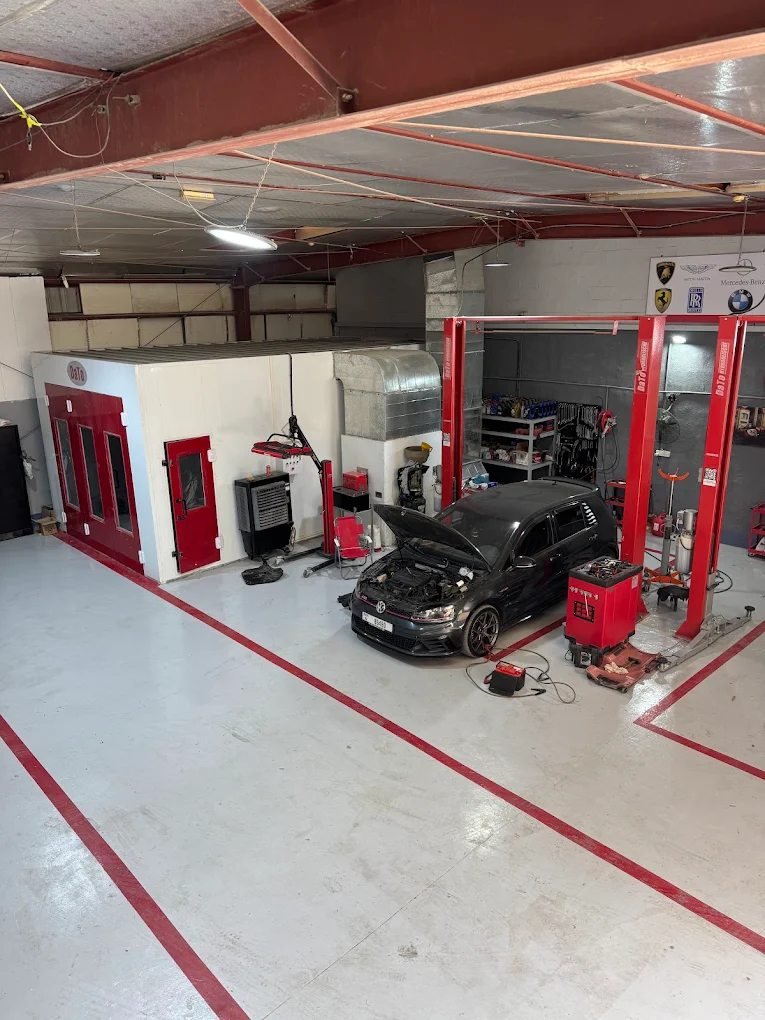

How a professional workshop assesses the issue
A safe process measures drum inside diameter, looks for scoring and cracking and checks the complete brake assembly. If machining would exceed specification, replacement is required.
Important decisions and next steps
After service, brake function and parking-brake operation should be tested. Polishing should never be sold as a universal solution to brake noise.
Further information
What the technician measures
Brake drum service depends on drum internal diameter, surface condition, heat damage and the condition of shoes and hardware. A drum already beyond its specified service size cannot safely be made serviceable by removing more material.
Importance of complete rear-brake checks
Noisy or uneven drum brakes may also involve leaking wheel cylinders, contaminated shoes or sticking parking-brake components. Addressing the entire assembly is often more useful than only treating its surface. Confirm brake performance before returning to normal use.
Frequently asked questions
Is brake drum polishing safe for every drum?+
No. Drums outside service limits must be replaced.
Why are rear drums noisy?+
Worn shoes, springs, contamination and surface condition are possible causes.
Are drums the same as brake discs?+
No. They use different friction mechanisms and inspection limits.